Get Full Government Meeting Transcripts, Videos, & Alerts Forever!
Get email alerts on the Comprehensive Plan topic
No spam. Unsubscribe anytime.
Fort Scott planning board re-examines 2018 comprehensive plan, historic-district tools
Summary
Members of the Fort Scott City Planning and Zoning Board reviewed the 2018 comprehensive plan and historic-district mapping, discussed State Historic Preservation Office (SHPO) and Certified Local Government (CLG) options, and asked staff to provide clearer, more usable materials and background at the next meeting.
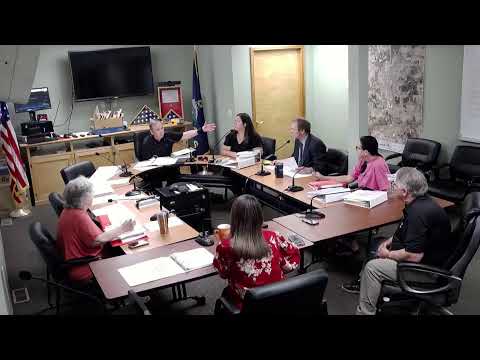
Mark McCoy, a member of the Fort Scott City Planning and Zoning Board, opened the session and said the group would “examin[e] and exercise our minds and our thoughts on the processes that are available for us and to have a better understanding about the City of Fort Scott's comprehensive plan,” referencing the plan they were reviewing.
Mary, a city staff member, told the board the document in their packet is “the 2018 updated, City of Fort Scott comprehensive plan, approved by the Fort Scott City Commission on 11/20/2018,” and summarized prior efforts to condense the plan to a more readable format. Mary also briefed members on historic-district tools, saying the State Historic Preservation Office is involved and that the town could qualify as a Certified Local Government, which “would be eligible for more grant opportunities.”
Board members examined two historic-district maps: a local Fort Scott map and SHPO's recognized boundary. Mary read aloud SHPO’s distinction between “contributing” and “noncontributing” resources — properties that do or do not contribute to a district’s historic character due to age or alterations — and the board discussed where the local index documents building histories.
Members raised concerns about how usable the comprehensive plan currently is for everyday zoning and development decisions. One board member said the document is “a physical plan” that should “translate value into a scheme that describes how, why, when, and where to build, rebuild, or preserve the community,” and asked staff to identify specific sections relevant to entrances, land use, and growth management so the commission can act on them.
The board discussed the potential local benefits of pursuing CLG status to retain more review authority locally rather than sending certain reviews to SHPO. Mary said she would research why the city is not currently a CLG and provide that background at a later meeting.
Board members asked staff to provide shorter, focused extracts and to return with copies of a 2019 update and other recent planning studies cited in the packet so commissioners and the public can better use the plan for grant applications and development guidance.
Ending
The board agreed to continue the conversation at a future meeting and requested staff compile clearer extracts of the comprehensive plan, the SHPO map and index references, and a memo on CLG eligibility and implications.