Eatonville principals outline attendance, intervention and college-credit plans in district update to board
Loading...
Summary
Principals from Eatonville School District presented school-by-school improvement plans to the school board, highlighting expanded college-credit options at the high school, a new first-period intervention model at the middle school and elementary efforts to boost early literacy, reduce behavior incidents and raise attendance.
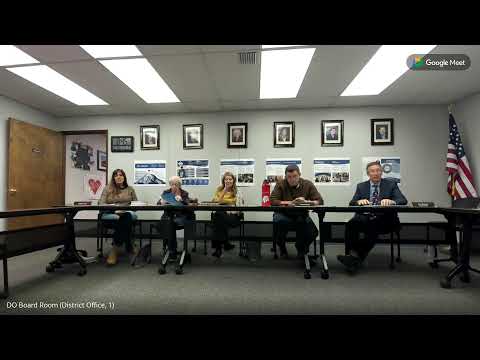
Principals from the Eatonville School District presented districtwide progress reports and school improvement plans at the board meeting on Oct. 15, focusing on attendance, targeted interventions and expanded college-credit opportunities.
The presentations described a set of data-driven strategies intended to raise achievement and close gaps: the high school reported near-98% graduation rates in recent years and is expanding college-in-the-high-school offerings with local partners; the middle school introduced a seven-period day that uses first-period time for targeted interventions or project-based learning; and elementary schools highlighted adoption of new reading curriculum, expanded tutoring and PBIS-style supports aimed at improving attendance and decreasing aggressive incidents.
High school leaders told the board the district had a 98.3% graduation rate in 2023–24 and was working to keep discipline rates low while targeting chronic absenteeism and achievement gaps. "We've used that foundation, tutoring money to really target ninth grade," the High School Principal said, describing targeted tutoring and credit-recovery offerings. School staff also reported a multiyear drop in occurrences from bathroom environmental sensors used to detect vaping: "we consistently see it's over 60% reduction in just occurrences from September to June every school year," the principal said, framing the sensors as a prevention and cessation tool rather than purely punitive enforcement.
The high school also outlined a substantial expansion of college-in-the-high-school and dual-credit pathways: partnerships with Eastern and Central (colleges named in the report) now provide credit options in English, social studies, Spanish and STEM courses; the school reported 69 students in Running Start this year and nearly 40% of teachers have participated in university training and observations. The principal said the district also participates in the Washington guaranteed-admissions program and is piloting processes to make dual-credit transcripts and registration more accessible for parents and students.
At the middle school, leaders described a structural change to create a consistent intervention window each day. "Any student who is not at standard is an intervention first period. Any student who is at standard is in project based learning," Allison, the Middle School leader, told the board. Teachers across subjects are running interventions; the district is using the I Ready diagnostic to identify needs and plan small-group instruction. The middle school expects intervention group sizes typically between 13 and 17 students and plans semesterly reevaluations based on diagnostics.
Elementary principals described school improvement plans that pair new curriculum adoptions and I Ready diagnostics with expanded after-school tutoring and volunteer-run clubs. One elementary principal said the school saw notable gains in ELA after adopting the Magnetic reading program and related interventions: "We went up 12 points in the reason fours category," the Elementary Principal reported, while acknowledging remaining work in math and for students with disabilities. Several elementary presentations stressed the link between attendance and learning and said school teams will run regular attendance meetings and incentive strategies to keep students in class.
District leaders and principals emphasized that many of the strategies rely on shared data systems (I Ready, Panorama) and coordination with community partners, including the Pierce County Skills Center and Clover Park for dual-credit and CTE options. The superintendent closed the presentations by urging more proactive communication about successes: "we just need to communicate those things," the Superintendent said, urging the district to "brag about our kids" in measured ways.
Board members asked questions about parent communication for college-credit registration, the first-period intervention attendance, and whether the reductions seen in vaping sensor incidents persist beyond the school year. Principals said they would return with updated diagnostics at midyear and noted plans to expand tutoring, social-emotional supports and teacher training as the year progresses.
The presentations will be revisited at follow-up board updates; principals said they will bring February diagnostic comparisons and more granular attendance and intervention outcome data as those measures are collected.