Get Full Government Meeting Transcripts, Videos, & Alerts Forever!
Get email alerts on the Taxes Sales Tax topic
No spam. Unsubscribe anytime.
Fairfield County reviews process for 1% capital project sales tax, timeline and bond option explained
Summary
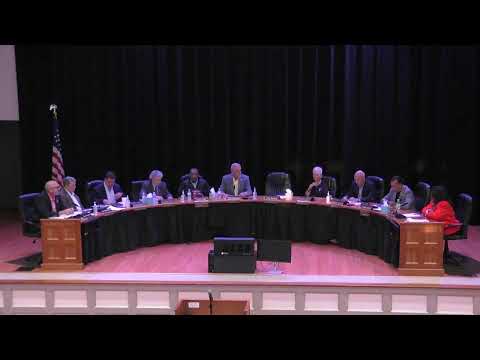
A representative from the South Carolina Association of Counties briefed Fairfield County Council on how a countywide 1% capital project sales tax (a “penny” sales tax) would be created, how projects and a citizen commission are chosen, key deadlines for a 2026 referendum and the option to sell bonds against future collections.
A representative from the South Carolina Association of Counties told Fairfield County Council on Oct. 13 that a capital project sales tax is a 1% local sales tax added to the regular sales-and-use tax and that the county would need to follow a statutory process to put it before voters.
John Deloach, who presented the briefing at the county administrator’s request, said the Department of Revenue would collect the additional tax and remit it quarterly to the county, which would segregate the receipts into a separate account for capital projects. "In a nutshell it is a 1% sales tax that is added to the normal, sales and use tax that taxpayers pay whenever they buy a good or service within the county," Deloach said.
The presentation explained why the issue matters: the tax can fund large capital needs such as roads and bridges, water and sewer, public safety buildings and joint county-municipal projects. Deloach said a county resolution would create a six-member capital project sales tax commission (three county appointees and three municipal appointees determined by a statutory apportionment formula) to recommend projects and ballot language for council to adopt.
Deloach summarized the timeline and key deadlines discussed at the meeting. If council were to pursue a referendum in the November 2026 general election, he said ballot language would need to be submitted to the county election commission by Aug. 15, 2026 (noon). The election would require a simple majority (more than 50%) for approval; if approved and certified by the election commission by Nov. 30, the Department of Revenue would begin remitting proceeds on May 1 of the following year (May 1, 2027, in the example he gave).
Deloach said the county chooses the tax length in two-year increments (minimum two years, up to eight years). He also explained that proceeds may be used as a pledge to sell bonds so the county can begin spending before collections accumulate, but that bond issuance and any amount to be sold must be disclosed in the original referendum materials. "You could go ahead and sell those bonds on the market because you wouldn't actually begin paying on those bonds ... until well after that 05/01/2027," Deloach said in response to a council question.
He also described how municipal apportionment would work in Fairfield County using the number of residents in incorporated municipalities (he cited 3,521 residents in incorporated areas based on the latest census) and a computed apportionment average used to cap appointments (he cited figures that would cap Winnsboro at two municipal appointees, with Ridgeway and Jenkinsville receiving smaller apportionments). Deloach advised that the commission typically solicits project lists from both county and municipal officials, drafts the ballot language for council approval and lists the specific projects to be funded.
Deloach flagged a pending state-level proposal that could affect scheduling: a bill filed in the House that, if enacted as described, would require after Jan. 1, 2027 that any referendum related to taxes and appropriations must be held at a general election in an even-numbered year; if that bill becomes law, a county planning to wait beyond Nov. 2026 would likely have to wait until Nov. 2028.
No formal vote or resolution was taken by council at the Oct. 13 meeting; the session was informational. County Administrator Carpenter introduced the presentation and answered preliminary procedural questions with Deloach. Council will need to pass a resolution to begin the process if it wishes to move forward.