
Paola board approves 2025–26 budget after hourlong presentation and 6–1 vote
Get AI-powered insights, summaries, and transcripts
Subscribe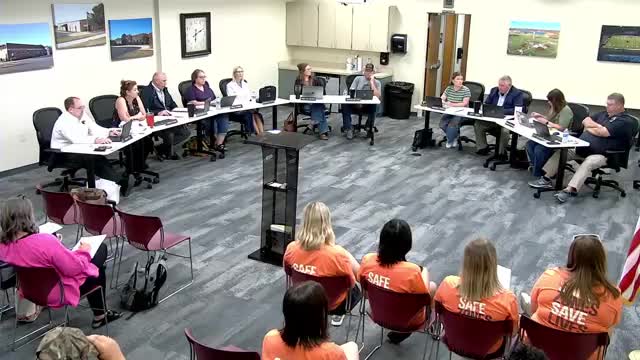
Summary
After a public hearing and a detailed presentation, the Paola Board of Education adopted the 2025–26 budget and a 33% local-option budget resolution; board members debated tax-notice formatting and the risk of a taxpayer appeal.
The Paola Board of Education voted to adopt the district—s 2025—26 budget after a public hearing and a presentation of the proposed spending plan, approving the measure by a 6—1 vote.
District staff member Jimmy, who led the budget presentation, told the board the proposed general fund budget authority is roughly $16.7 million and that the complete budget documents and a 92-slide review would be posted on the district website: "All this information will be all the budget is on the website," Jimmy said. He walked the board through revenue assumptions, the effect of assessed-value growth on state aid and multiple funds that flow through the district, including a roughly $20 million special-education cooperative assessment that increases reported district expenditures.
The board—s vote came after more than an hour of discussion that ranged from the district—s projected state aid increase to concerns about how the county prints tax-notice lines for revenue-neutral calculations. The board approved the budget and signed the ``budget certification'' documents required to publish the legal maximum and move the budget into effect.
Why it matters: The budget sets the legal maximum the district can spend in 2025—26 and includes operating assumptions that affect staffing, transportation and special-education services. Jimmy told the board that projected cost increases for the coming year exceed projected revenue growth: projected new state aid is roughly $495,000 while expense increases (including salary and benefits, special-education cost increases and other non-salary expenses) total about $1.1 million, creating a gap the district will fund with reserves and transfers in the short term.
Key details from the presentation and the board discussion: - Revenues and state aid: Jimmy said the district—s general-fund budget authority for 2025—26 is about $16.7 million and that the state aid increase included in the proposed budget is roughly $495,000. - Salary and benefits: The board was shown a proposed roughly 4% compensation package; Jimmy estimated the 4% package costs the district about $648,000. - Special education: The special-education cooperative assessment that flows through the district budget is large and contributes to a high reported per-pupil expenditure; Jimmy said the district passes through about $20 million in cooperative charges and that the district—s share of special-education costs will rise by about $300,000. - Transfers and cash: The proposed budget includes transfers out (to virtual, professional development, special education and other funds) of about $5.1 million. Jimmy noted that some cash balances are reserved (for example, for self-insured health coverage and stop-loss obligations) and are not available for general operations. - Assessed value and state aid interaction: Jimmy explained that increased assessed value, without matching enrollment growth, reduces the district—s share of state aid because the formula compares assessed value per pupil across districts. The presentation listed the district—s assessed valuation at roughly $266 million. - Bond payoff and mill levy: The board and staff noted a planned September payoff of outstanding bonds (about $4.4 million including interest). As a result the district—s total mill levy was projected to fall to about 42.3 mills, a drop the presentation estimated would reduce taxes in the district by about $884,000 year over year.
Board members pressed staff about procedural and notice issues. One board member, identified in the record only as a member of the board, raised a concern about the formatting of the tax-notice lines that counties publish for revenue-neutral calculations and asked whether the district would be prepared to return money if the Board of Tax Appeals or a similar review found the notice incorrect: "My concern is... would we be prepared to pay back $100,000 if needed if BOTA did have a complaint?" the board member asked. Jimmy and other board members said the district follows state guidance, works with the county clerk and would comply with any required remedy, but they acknowledged the format differences among counties can create confusion for taxpayers.
Votes at the meeting included the following formal actions: the board opened the budget hearing (7—0), closed the hearing (7—0), approved the 2025—26 budget (6—1), adopted the local-option budget (LOB) resolution setting the LOB percentage at 33% (7—0) and named a KASB conference delegate and alternate (7—0).
Board Chair Amanda (board member) moved to adopt the local-option budget percentage and to adopt the overall budget after the hearing; the motions carried as recorded by roll call tallies.
What—s next: The board certified the budget documents for publication, and staff said final audited enrollment and assessed-value numbers will arrive later in the fall. Jimmy reminded the board that budget figures published in August are budget authority (the legal maximum) and that actual state aid receipts and final enrollments can change the district—s unaudited legal maximum in September. Staff also reminded the board that one cost-of-living weight election item had been protested and will appear on the November ballot.
Ending: With the budget adopted, the board directed staff to post the final budget review and supporting documents online and to bring any necessary follow-up items to the board if final state or county numbers change the district—s legal maximum or cash-position projections.