
Parents and students urge Elk River board to restore Red Elk jazz stipend
Get AI-powered insights, summaries, and transcripts
Subscribe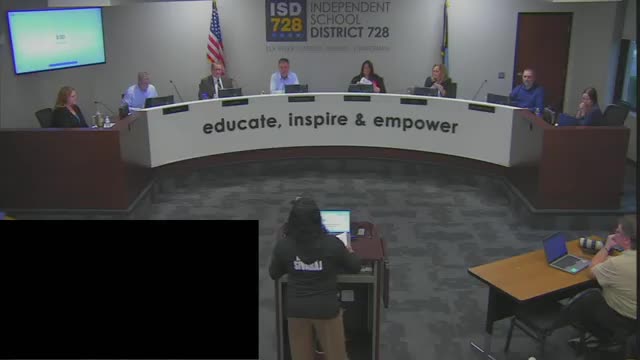
Summary
Several parents and students told the Elk River School Board during public comment that removing a stipend for coaching the Red Elk jazz ensemble would reduce music opportunities for dozens of students and damage a program that funnels musicians into higher‑level ensembles.
Parents, students and alumni asked the Elk River School Board on Oct. 13 to reverse a district decision that leaves no stipend available for coaching the Red Elk jazz ensemble at Elk River High School.
Speakers told the board the Red Elk ensemble provides first‑level jazz experience and prepares hundreds of students for higher‑level groups. Dr. Grama Shavaraj, speaking as “a parent and an educator at a state university,” said eliminating the stipend stemmed from union contract negotiations but would sharply reduce student opportunities.
The plea was echoed by current and former students. Ava Larson, a sophomore and former Red Elk member, said the program served “nearly 50 kids in our program,” and gave students with limited time a pathway into jazz. “If we have double nearly triple the amount of students, why shouldn't we have double the amount of bands?” she asked the board.
Kate Bannister, another sophomore, told the board Red Elk offers “authentic jazz instruction, solo opportunities, and fun foundational growth” that is distinct from the district’s more advanced Black Elk band. She said funneling all students into one auditioned ensemble would “make it harder for freshmen to have that same opportunity.”
Dr. Shavaraj and student speakers described Red Elk as an entry point that builds confidence and leads to honor bands and festival appearances. Dr. Shavaraj noted alumni and community ties — including Elk River resident Patrick Dwyer, who played in the high school’s first jazz band in 1966 — as evidence of the program’s longevity and community value.
Board members did not take a vote or announce a follow‑up action during the meeting. Speakers urged the board to “think creatively” and consider district or booster funding to retain coaching support.
The public comment occurred during the board’s designated public comment period; speakers were reminded at the start of the period of the district’s public comment rules under policy 206, including a three‑minute limit and privacy protections for students and staff.