Get Full Government Meeting Transcripts, Videos, & Alerts Forever!
Get email alerts on the Business Registry Vendors topic
No spam. Unsubscribe anytime.
Commission splits on business registry; agrees to draft vendor licensing for city-sponsored events
Summary
After prolonged debate, commissioners directed staff to prepare an ordinance template for event vendor licensing tied to city‑sponsored events and proceeded with a voluntary business registry option for businesses that opt in.
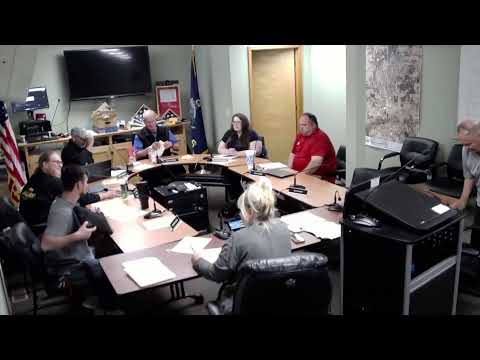
The Fort Scott City Commission spent a lengthy portion of its June 3 meeting debating a proposed business registry and permits for food trucks and other vendors. The discussion revisited a motion from the previous meeting and ended with two distinct outcomes: (1) commissioners approved pursuing a voluntary city business registry and (2) separately directed staff to draft an enforceable ordinance to require registration/licensing of vendors for city‑sponsored events.
Commissioner Matthew Wells had proposed a citywide registry to collect contact information, insurance status and hazardous‑materials disclosures for businesses operating in or coming into Fort Scott. Proponents said a central registry aids public safety (fire department access to hazardous‑materials info) and event planning; opponents said an all‑comers mandatory registry would be overbroad and could look like an undue burden on small or out‑of‑town vendors.
After debate the commission rescinded an earlier, broader, motion (commission roll recorded) and then voted to implement a voluntary business registry that businesses may opt into for an online directory. Separately, the commission directed staff to draft a licensing ordinance for vendors who operate at city‑sponsored events (for example, Good Old Days and the Fourth of July events). Commissioners said the licensing-for-city-events approach is a narrow remedy intended to ensure the city has insurance and contact information for vendors who appear at events the city sponsors.
Several commissioners emphasized the difference between a voluntary registry and an enforceable ordinance, and staff said any enforceable requirements would require an ordinance and staffing to administer it. The commission noted that the registry, if implemented, would be free and initially limited to collecting basic business contact information and declarations of insurance or hazardous materials; it would not itself verify coverage.
Why it matters: The decisions affect how the city collects business contact and safety data and how it manages vendor risk at public events. Commissioners asked staff to prepare ordinance language for a limited, enforceable vendor-license requirement for city-sponsored events and to return with a draft for later consideration.