Get Full Government Meeting Transcripts, Videos, & Alerts Forever!
Get email alerts on the Land Bank topic
No spam. Unsubscribe anytime.
Attorney outlines legal limits and practical hurdles for land banks and tax sales in Kansas
Summary
Wichita attorney Chris Macklegan told Fort Scott City officials that Kansas tax-foreclosure law and title-insurer practices limit how land banks can acquire tax-delinquent properties, emphasizing due-process protections for owners and practical costs of acquiring and clearing title.
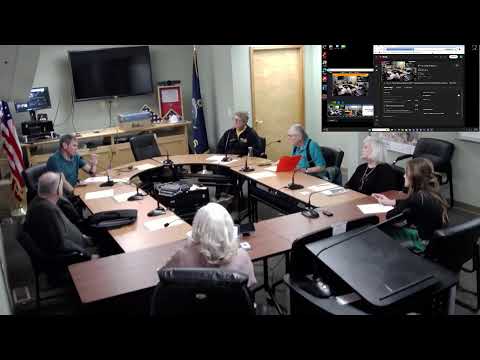
Chris Macklegan, an attorney who conducts tax-foreclosure work in Kansas, told Fort Scott City elected officials during the Oct. 14 meeting that statutory due-process protections and title-insurer practices significantly constrain how a municipal land bank can acquire properties from tax foreclosure.
"Even if I'm a absentee owner or I'm just kind of a very irresponsible person, I'm still entitled to due process," Macklegan said, explaining that owners retain the right to redeem property up until the day before a judicial sale. He added that if a property does not sell at auction, statutes require continued notice and procedures rather than automatic vesting of title in a county or land bank.
Macklegan gave multiple examples of practical problems counties and cities encounter, including no-bid sales, title-insurance underwriting demands, and the costs of quiet-title work. He said buyers at a tax sale receive judicial (sheriff) deeds but often cannot obtain title insurance without extra work. "If you buy a property for $5 or a million bucks ... that's a judicial sale ... I get no warranties," he said, describing the buyer-beware nature of the market.
Why it matters: Fort Scott officials have discussed forming or using a land bank to clear blighted properties and return parcels to the tax rolls. Macklegan's presentation framed the legal limits the city should expect and the costs and trade-offs that accompany municipal land-bank activity.
Key points Macklegan raised: - Land-bank entities generally cannot "pluck" properties out of the tax-foreclosure process before the sale without depriving owners of statutory redemption and notice rights. - When properties fail to sell at auction, counties must follow statutory procedures; title does not automatically vest without further steps. That complicates getting marketable title and title insurance for resale or redevelopment. - Local title companies often refuse to issue standard title insurance after sheriff sales unless additional, sometimes expensive, underwriting steps are taken; Macklegan cited that a title search might cost about $125 and deed recording about $21. - Some jurisdictions have experimented with fees or pooled-cost models to cover foreclosure legal work; Macklegan described an approach where a flat per-parcel fee is assessed and later recovered as part of redemption or sale proceeds. - Land banks must plan for holding costs (mowing, demolition, upkeep) and potential restrictions tied to grant funds, which can limit the ability to abate special assessments.
Discussion and options: Macklegan suggested several operational options the city could consider, including: - Participating in tax sales directly (bidding on parcels at auction) while accepting that-title defects may remain and that the buyer must assume risk and remediation costs. - Working with the county to structure unit sales or court orders that appoint a special agent to manage sales, which can simplify acquiring multiple parcels as a group. - Developing internal processes to flag abandoned properties for foreclosure (for example, documentation by code enforcement), which can streamline evidence-gathering for foreclosure cases.
He cautioned that statutory and market realities — including title-insurer discretion and competing interests from other taxing districts — limit how far local governments can accelerate transfers to a land bank without legislative change. Macklegan also noted that some potential statutory fixes have been discussed in other Kansas jurisdictions but that bringing title insurers or competing stakeholders on board presents political and legal hurdles.
Looking ahead: Macklegan offered to meet again and provide more targeted advice, including sample procedures and an estimate of likely costs for county-level foreclosure services. City officials asked about countywide land-bank options and whether city land banks can operate outside municipal borders; Macklegan said the statutes are not explicit and would require further legal review.
Ending: Officials thanked Macklegan for the briefing and said they would follow up with county counsel and title insurers to clarify options and potential costs before taking formal action on a land-bank structure.