State long‑term care ombudsman urges more surveyors, wider discharge reporting and limit on pharmacy choice fees
Summary
Hailey Ordewine, Kansas state long‑term care ombudsman, asked the Bethel committee to increase KDADS surveyor staffing, expand discharge reporting to assisted living and related providers, halt monthly “pharmacy provider choice” fees imposed on private‑pay residents, and raise the personal needs allowance.
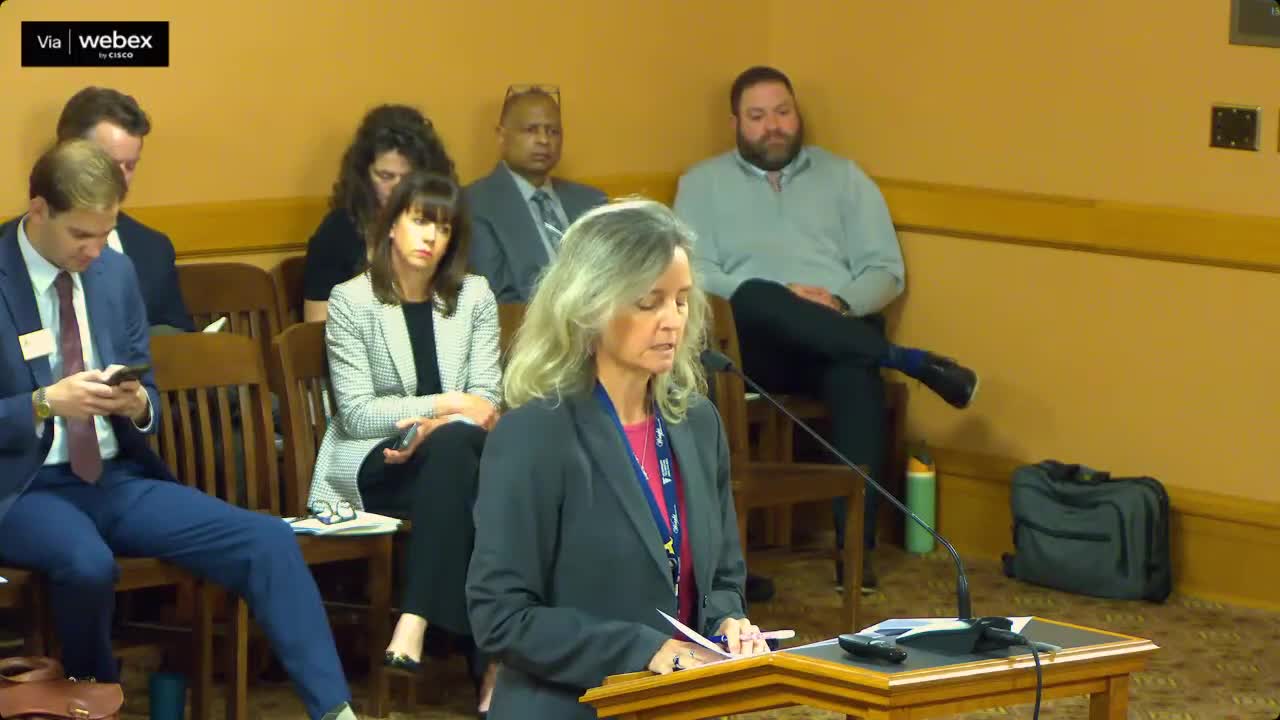
Hailey Ordewine, Kansas state long‑term care ombudsman, told the Robert G. (Bob) Bethell Joint Committee on Home and Community Based Services and KanCare Oversight that her office is advocating several policy changes to better protect adult‑care‑home residents.
Ordewine asked the committee to fund additional surveyors at the Kansas Department for Aging and Disability Services (KDADS). “We are very pro… whatever we can do to bring in more surveyors to the team,” she said, arguing that residents and families report complaints are not being investigated promptly and some cases “may never ever get investigated or looked at” under current survey backlogs.
She also asked lawmakers to expand statutory discharge‑reporting requirements beyond nursing homes to other adult‑care providers such as assisted living and “home pluses.” Ordewine said facilities that now self‑report to KDADS show inconsistent records compared with complaints filed to the ombudsman’s office, and that expanded reporting would allow ombudsman staff to intervene earlier on issues such as involuntary or emergency discharges.
A third request was regulatory or statutory action to prevent facilities from charging private‑pay residents an ongoing fee for using a pharmacy other than the facility’s preferred vendor. Ordewine described resident reports that homes charge “anywhere from… $150, $100 all the way up to $300 per month” as an “administrative setup fee” and recommended Kansas mirror language used in North Dakota regulations to protect residents who choose a different pharmacist. “In our opinion, no,” Ordewine said of charging large monthly fees to private‑pay residents.
Ordewine also proposed a modest increase to the personal needs allowance (PNA) — the monthly discretionary amount retained by some residents — from about $60 to $72 and to tie it to annual cost‑of‑living adjustments. Using KDADS figures, she estimated a $10 increase would cost roughly $1.1 million in annual state funds based on the count of nursing‑home residents on Medicaid.
Committee members asked follow‑up questions about administrative burdens and unintended consequences. Representative Carpenter said he was concerned about adding paperwork and regulatory burden for providers. Ordewine replied she expects reporting could be implemented as monthly summaries or “as the need arises” and said KDADS already has some infrastructure and the ombudsman’s office is pursuing a reporting database to reduce burden.
The ombudsman emphasized that complaint resolution is resident‑centered: “We are there for the resident, for their voice, even if it's maybe not what most people would consider in the best interest.”
Ending: Ordewine closed by saying the office wants to be collaborative with providers and stakeholders on language and implementation; she offered to follow up with additional data requested by members.
Votes at a glance: committee received presentation; no formal committee votes on the ombudsman requests were recorded in the transcript.