Boston council holds emergency hearing on federal shutdown’s impact on veterans
Loading...
Summary
City council committee heard from veterans groups and Boston Veterans Services about local contingency plans after the federal shutdown, potential interruptions to some VA services and concerns about paychecks for service members expected Oct. 15.
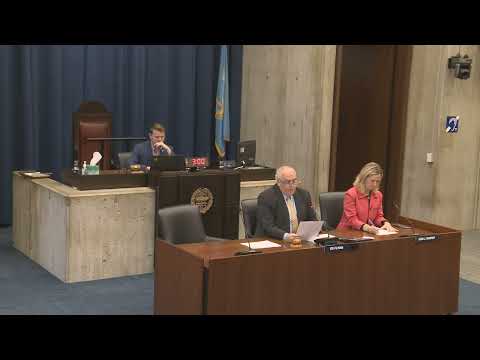
Boston City Council Committee on Veterans, Military Families & Military Affairs Chair Ed Flynn convened an emergency hearing Oct. 9 at Boston City Hall to examine how the ongoing federal government shutdown could affect veterans, active-duty service members and military families in Boston.
The session brought together the city’s veteran services commissioner, leaders from the VFW and DAV, representatives of the New England Center Home for Veterans and other local advocates to outline which services could be disrupted, how the city plans to respond and where local partners can fill gaps. Chair Ed Flynn said the hearing was held so the council could “make sure there’s no interruption in services for our veterans.”
The city’s top local official for veterans said Boston has activated contingency plans. Robert Santiago, commissioner of Boston Veterans Services, said the department had “activated a local response,” coordinating with other city agencies and state partners to bridge shortfalls and to connect veterans to emergency assistance. “While Washington may be closed, Boston Veterans Services is open and we’re steadfast in our commitment to ensure that every veteran and their family member receives the benefits and services that they’ve earned,” Santiago said.
Panelists summarized a VA guidance list of programs that could be affected by a federal shutdown and those the VA had said would continue. Santiago read the VA guidance, noting that some outreach and administrative functions may pause: transition assistance and career counseling, certain call centers (including the GI Bill and National Cemetery applicant hotlines), and regional benefits offices that process claims could be closed or operate at reduced capacity. He told the committee that the VA had said that medical care at VA medical centers, outpatient clinics, vet centers, the veterans crisis line (dial 988, then press 1) and suicide-prevention and homeless services were to continue.
Committee members and advocates warned that a pause at federal benefits offices could rapidly create new backlogs. DAV volunteer Charlie Cook and DAV senior vice commander Dennis Devine said many newly eligible veterans already need help filing claims and that delays at the federal level would compound existing caseloads. “We gotta get nationally involved pushing to get the thing over with so our veterans can get the benefits they deserve,” Cook said.
Veterans organizations described the local supports they plan to provide. Craig DeOld, state senior vice commander for the Department of Massachusetts Veterans of Foreign Wars, said the VFW and other posts would stand ready to support service members and families if federal pay stops. “The VFW is standing firm. We are going to hold all levels of government accountable to ensure that the hard earned benefits for all veterans and the military families and our current military are fulfilled,” DeOld said. Warren Managault, vice president of operations at the New England Center Home for Veterans, told the committee the center did not anticipate interruption of its federal funding and said it was coordinating with VA Boston and city partners to monitor possible secondary impacts such as housing instability.
Councilors pressed for details about specific local impacts. Councilor Lehi Murphy and others asked whether National Cemetery services would be affected; Santiago confirmed that some operations such as grounds maintenance and placement of headstones could be interrupted. He also described local tools the city could use, including a “bridge the gap” program and coordination under Massachusetts General Laws Chapter 115 to provide state-level relief where federal payments are delayed. Senator Lydia Edwards described the state’s Veteran Equity Review Board (VERB) and the HERO Act policy options municipalities can use to protect veterans’ housing access.
Mental health and suicide prevention were central concerns. A panelist warned that delays in pay or benefits could increase stress for veterans with PTSD and other conditions; one of the DAV volunteers said bluntly, “More veterans will be at risk for suicide,” citing both personal experience and the broader risk the panelists see if income and services are disrupted. Committee members and advocates emphasized that the VA crisis line and homeless services were to remain active and urged veterans in crisis to use those resources.
No formal votes were taken. Committee members said the council could help by elevating the issue publicly, coordinating with city departments (including the mayor’s office of housing, Boston Housing Authority and public-health and human-services offices), and working with local veteran service organizations and corporate partners to organize additional support. Ed Flynn closed the hearing by urging residents with concerns to contact council offices and by listing phone and email contacts the panel supplied during testimony.
The hearing provided a snapshot of both federal vulnerabilities and local readiness: city officials described contingency plans and community groups said they would mobilize to support veterans, while repeatedly warning that prolonged federal interruptions would cause new backlogs and put additional pressure on mental-health and housing systems.