
Insurance groups and consumer‑side trade groups debate regulation of third‑party litigation funding
Get AI-powered insights, summaries, and transcripts
Subscribe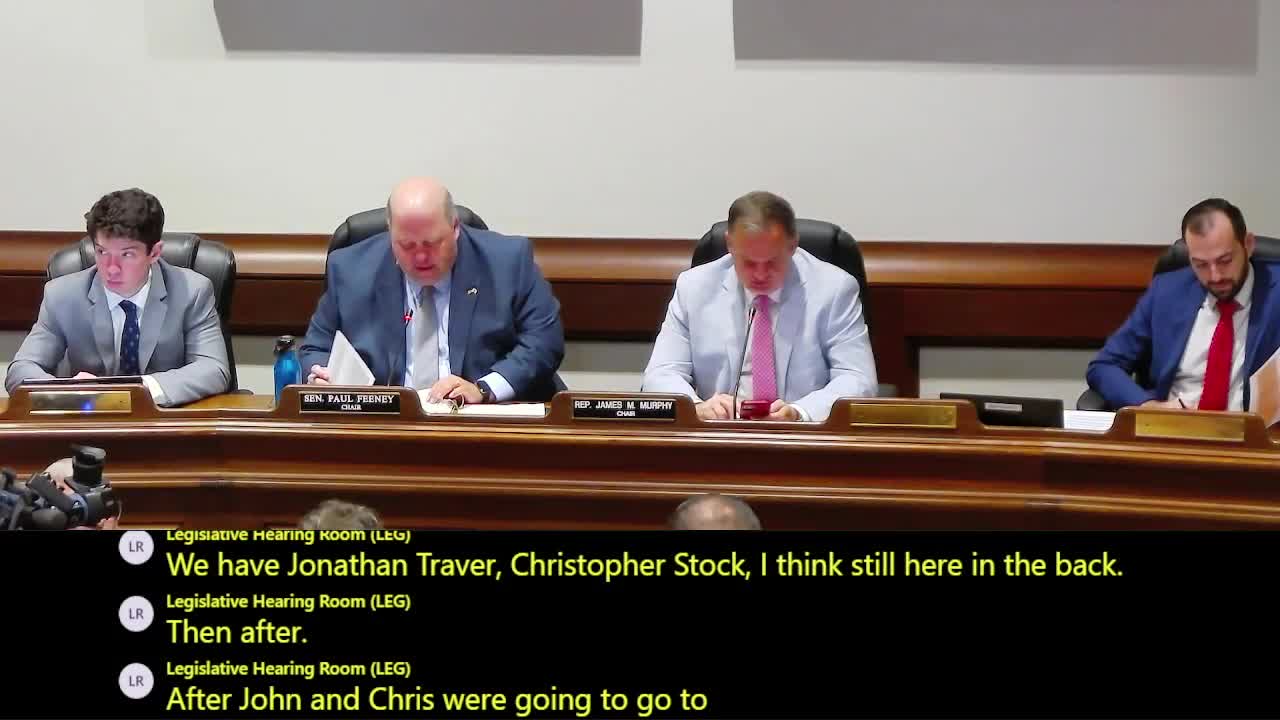
Summary
Witnesses including insurers, trade groups and litigation funders urged the committee to pass consumer‑protection rules for litigation funding; some defense‑side critics and attorneys warned disclosure requirements could advantage defendants and hamper plaintiffs’ litigation access.
The committee heard testimony on proposals to regulate third‑party litigation funding (sometimes called litigation finance or predatory litigation lending). Supporters — including insurers and third‑party funder trade groups — described the bills as pro‑consumer and urged transparency and caps to prevent predatory practices. Opponents, including some plaintiff attorneys and public‑interest lawyers, said certain disclosure and discovery requirements could give defense counsel leverage and harm plaintiffs’ access to justice.
What supporters said
Representatives of the property/casualty insurance industry and the Massachusetts Insurance Federation supported Senate Bill 680 and related House measures to create disclosure obligations, reporting and licensing. Jonathan Schreiber of the American Property Casualty Insurance Association and Christopher Stark of the Massachusetts Insurance Federation said third‑party litigation financing can reduce plaintiffs’ recoveries and can be used by hedge funds and foreign actors to influence litigation strategy. They cited GAO and Swiss Re Institute studies that show financing can reduce plaintiffs’ net recovery and increase speculative litigation risk in technology‑intensive states.
What opponents said
Attorney Lauren Barnes, among others, warned that the bills’ disclosure mandates — which would require plaintiffs to provide financing agreements to defense counsel — could be unfair and could allow defendants to run out litigation funding or pressure funders. Barnes suggested judicial or attorney‑general review mechanisms (as used in some other states) as a less intrusive alternative.
Technical changes sought
Representatives of the legal‑funding trade association (ALFA) supported the general consumer‑protection goal but asked the committee to specify administrative amounts (bond sizes, maximum fees and penalty caps) in statute rather than leaving them to rulemaking, citing recent model acts (NCOIL) and examples in other states.
Next steps
Committee members did not vote. Witnesses urged the committee to refine disclosure, bond and enforcement language to avoid unintended consequences for plaintiffs while curbing abusive financial actors.