Get Full Government Meeting Transcripts, Videos, & Alerts Forever!
Get email alerts on the Earned Wage Access topic
No spam. Unsubscribe anytime.
Lawmakers hear split testimony on earned‑wage access: supporters call it a safety valve; critics call it payday lending by another name
Summary
Providers, trade groups and employers backed bills to license earned‑wage access (EWA) apps and require no‑cost options; consumer advocates and the National Consumer Law Center warned apps often mimic payday lending and can impose high effective costs.
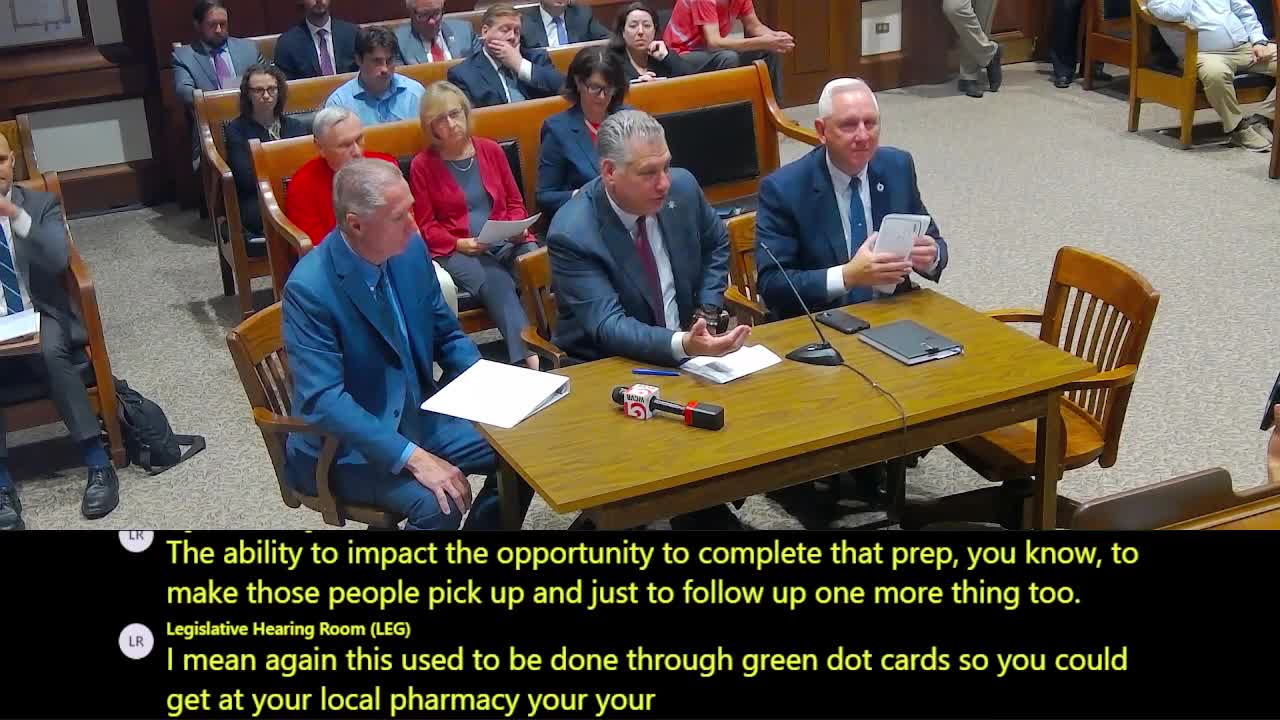
The Joint Committee on Financial Services heard competing testimony on bills to create a regulatory framework for earned‑wage access (EWA) services, which allow workers to access wages they have already earned before payday.
Proponents from EWA providers and trade groups said that EWA is a non‑credit product that helps workers avoid overdrafts, late fees and payday loans. “Earned wage access offers a responsible option, by allowing workers to access their wages, when they have already earned them without interest, debt collection, or credit reporting,” said Elise Hicks, senior manager of public policy at DailyPay. Industry witnesses and employer‑integrated providers such as PayActiv and Ernan testified that the proposed bills (House 1119 and Senate 725) would preserve access while adding consumer protections: registration with the Commissioner of Banks, transparency about fees, mandatory free/no‑cost options, prohibition on credit reporting and no mandatory interest or late fees.
Opponents including the National Consumer Law Center and other consumer advocates said the legislation would legalize app‑based payday practices and exempt them from state usury limits. Lauren Saunders of the National Consumer Law Center said in testimony that courts in multiple states have recently found some EWA apps to be loans in practice and that the bills would remove Massachusetts interest‑rate protections: “Earned wage apps are simply a new form of payday loan,” she told the committee.
Why it matters: Supporters argued that EWA reduces financial insecurity and can be provided with consumer safeguards. Opponents argued that real‑world flows and repeated small advances can produce effective annual costs comparable to high‑cost credit, and that exempting the market from state interest caps risks consumer harm.
Details from testimony
- Provider model and consumer protections: AFC (American Fintech Council) and EWA vendors described voluntary industry standards: clear disclosures, a no‑cost option for every transaction, nonrecourse terms, no credit reporting, and transparent, voluntary fees for instant access. PayActiv described employer integration, five no‑cost access options, and financial counseling in its app.
- Enforcement and supervision: Bills would require registration and annual reporting to the Commissioner of Banks and create statutory guardrails (free option, voluntary fees, cancelable nonrecourse products). Supporters argued these guardrails are sufficient to keep the product low‑cost and widely available.
- Consumer‑protection concerns: NCLC and other critics presented examples and cited litigation and enforcement actions in other states, arguing that some apps produce recurring, high charges and that user interfaces can pressure tipping or multiple small advances.
Committee response and next steps
Committee members asked detailed questions about fee levels, user behavior, and enforcement; witnesses offered written follow‑up. No vote was taken. Sponsors and industry representatives indicated willingness to work on statutory language and consumer safeguards; critics urged stronger limits or rejection of the bills.