Council OKs first reading for rail-served industrial rezoning; planning board had recommended denial
Loading...
Summary
The La Marque City Council approved a first reading to rezone multiple parcels near the railroad to allow heavier industrial uses and potential rail-served development. Planning and zoning recommended denial; council approved the first reading and directed staff to hold follow-up public outreach before the second reading.
La Marque — The La Marque City Council on Sept. 25 gave initial approval for a zoning change that would reclassify several parcels near the railroad from a light-industrial designation toward a heavier industrial category to permit rail-served uses.
Why it matters: The rezoning would allow the property owner and potential industrial tenants greater flexibility to build rail-served warehouses and other heavy-industrial uses. Proponents told council the designation will allow the city and the developer to market the site to companies that could expand the local tax base and create jobs. Opponents and the planning commission raised concerns about impacts on nearby neighborhoods, buffering and odor from rail activity.
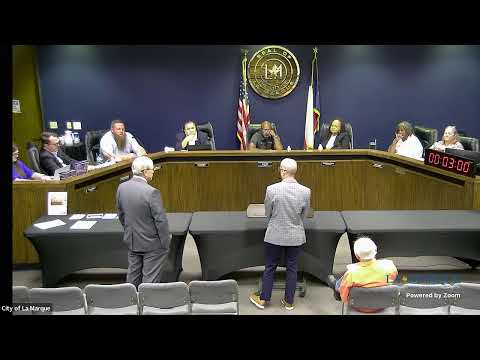
What happened at the meeting: The council heard a staff summary and the applicant’s representative, Jason Haley of Texas City Terminal, described the company’s intent to work within local rules and to be a long-term neighbor. Haley said the company has worked with staff to include site controls and buffers in the ordinance. Planning and zoning and the board of adjustments had recommended denial at their recent meetings; council members approved the ordinance’s first reading despite those recommendations and asked staff to schedule a town-hall meeting and provide detailed buffer/mitigation plans prior to the second reading.
What council discussed: Staff and council members emphasized the distinction between creating a zoning classification and approving a specific site plan. City attorneys and staff noted federal railroad statutes limit some local controls over active railroad operations, but the newly created zoning district includes setbacks, fencing and buffering requirements the city can enforce. Council members said the ordinance provides tools to require those protections, while enabling future private investment.
Next steps: Because this was the first reading, the council must hold a second reading and required public notices before final adoption. Council directed planning staff to schedule a community meeting with the applicant and to provide examples of the proposed buffering, circulation, and design standards prior to the second hearing. The council also asked staff to make information available publicly in advance of the second reading so residents can review materials and comment.
Ending: The vote advances the rezoning process but does not itself authorize construction. Council members said they expect public questions and will hold further hearings before any final approval.