Get Full Government Meeting Transcripts, Videos, & Alerts Forever!
Get email alerts on the Utilities Water topic
No spam. Unsubscribe anytime.
City of Tulsa to install automated water meters at more than 145,000 homes; lead inspections to be logged online
Summary
The 'True Reads' automated meter program will replace more than 145,000 residential water meters over four years, with online mapping, notifications and a short service interruption for each home; crews will also perform a quick lead service line inspection and report results on the program map.
The City of Tulsa said it will begin installing automated water meters at more than 145,000 residential locations beginning in 2024 and continuing over four years under a program called True Reads.
City presenters said the automated meters will reduce the need for property access for readings, lower meter‑reading costs, reduce employee injuries, eliminate estimated bills and use newer technology. The city said residents will receive multiple notifications before installers arrive: an online map of installation neighborhoods, a door hanger one to two weeks before installation, and a contractor knock and day‑of contact on the installation day.
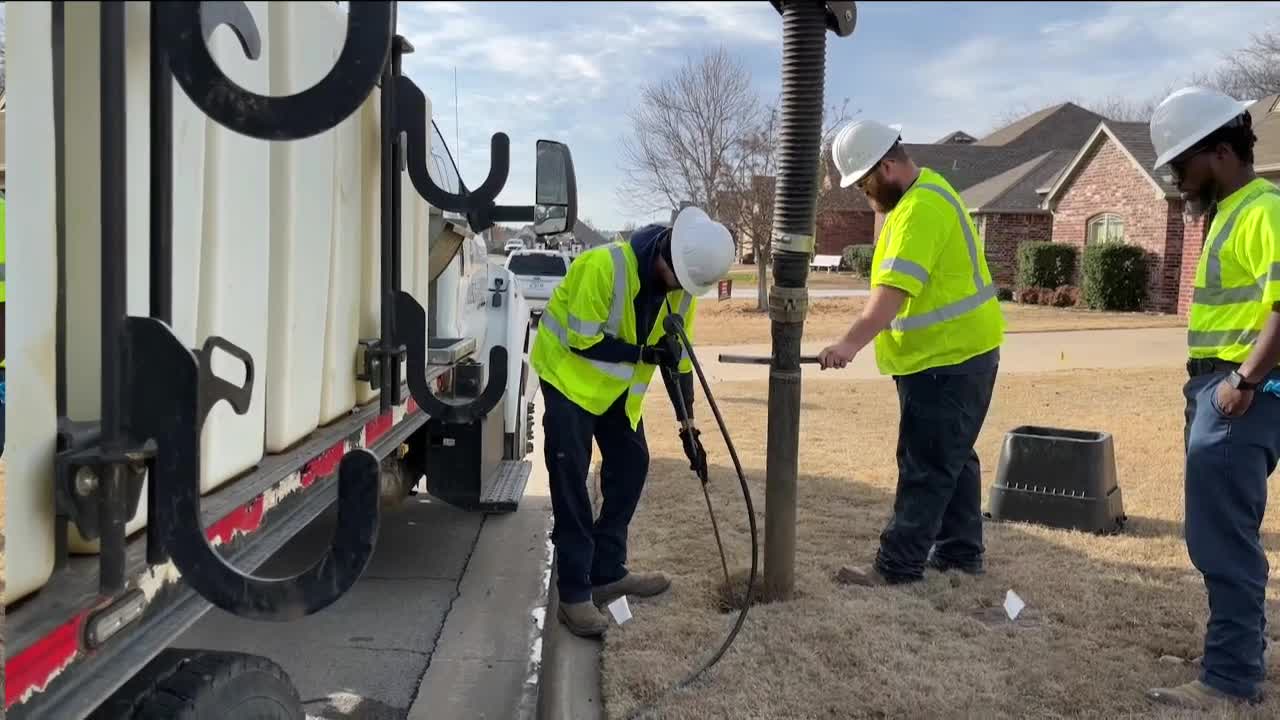
The city warned that customers will be briefly without water during the swap — typically for a maximum of 30 minutes — and recommended that residents run water for a few minutes after crews finish to restore pressure and clear any temporary cloudiness. Presenters said crews will also perform a brief lead service line inspection while on site; results of those inspections will be displayed on the program’s online map.
Presenters said they do not believe many lead service lines remain in the system but want to document and remove any that are found. The city posted the program map and FAQ at cityoftulsa.org/truereads and said it will provide ongoing updates there.
No vote or council action was presented at the session; the program was described as a multi‑year operational rollout.