Get Full Government Meeting Transcripts, Videos, & Alerts Forever!
Get email alerts on the Municipal Fines Parking Enforcement topic
No spam. Unsubscribe anytime.
Homewood committee backs ordinance change to raise some ordinance and parking fines, delegate higher penalties to judges
Summary
The Public Safety Committee voted to pursue an ordinance allowing city ordinance violations to be fined between $1 and $500, set parking citations at $50, and reserve higher penalties for blocking hydrants or parking in handicapped spaces; city staff and the attorney will draft code language and required signage for enforcement.
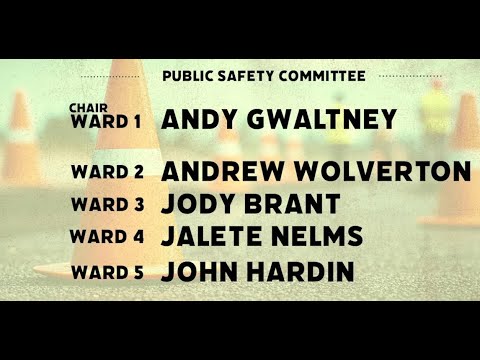
Homewood City’s Public Safety Committee voted Oct. 6 to pursue an ordinance that would allow higher penalties for local ordinance violations and raise some parking fines.
The change, requested by court administrator Laura Roberts, would allow ordinance violations to carry fines from $1 up to $500; the committee also moved to set routine parking fines at $50 and to keep higher penalties for blocking fire hydrants ($250) and parking in handicap spaces ($500). Councilor Hartenstein moved the measure and Councilor Nelms seconded; the motion passed by voice vote.
Roberts told the committee she reviewed fines in surrounding cities and found Homewood’s were “on the very low side,” and asked for broader discretion so judges could impose larger penalties for repeat offenders. “I’m proposing asking that you guys, include some language in an ordinance that just says that our ordinance violations can be fine from $1 up to 500,” Roberts said.
A municipal judge who has worked with Roberts told the committee the courts already use hardship affidavits and community service for indigent defendants but need latitude for repeat violators. “They just need the flexibility, and they do have these repeat offenders that these fines don't mean anything to,” the judge said.
Committee members debated specific dollar amounts for parking citations. Councilor Nelms and other members framed the changes as a way to deter repeat violations such as vehicles left for long periods in public garages and people parking in fire lanes or handicapped spaces. “If you have a higher fine, my hope is that it's going to deter people from creating those parking issues,” Roberts said.
Staff and legal counsel explained technical limits on which fines can be set by schedule and which require traffic citation (UTC) forms administered through the Administrative Office of Courts (AOC). The committee heard that some violations (for example, traffic offenses on UTCs) must follow AOC schedules attached to traffic citations, while city ordinance tickets can be set by local ordinance where enforcement is performed under city code.
Committee members asked the city attorney and staff to identify which specific ordinances must be amended (animal control, burn ordinance and other code sections were mentioned) and to draft proposed language. The committee also discussed enforcement logistics: signage requirements for certain restricted curb zones, whether enforcement staff are sworn to issue UTCs, and coordination with fire inspectors and police for fire-lane and hydrant enforcement.
Council discussion emphasized staged enforcement including warnings before ticketing. “We can change rules. It's to get warnings first. Right. And then start implementing the ticketing,” one committee member said when discussing a warning period before issuing citations.
The committee directed staff to draft ordinance language and work with the city attorney and Mr. Kendrick to prepare the changes for a council vote. The measure passed the committee by voice vote; the city attorney will determine the exact ordinance text and which code sections must be updated.
The action affects downtown parking enforcement and other ordinance violations enforced by the municipal court; fine revenue will be remitted to the city general fund, officials said.
Going forward, the committee asked for a clear list of the ordinances to change, sign placement and an implementation plan so judges, enforcement officers, and the public will have notice before new penalties take effect.