Treasury authority to hold Bitcoin proposed; sponsors and crypto advocates urge guardrails
Loading...
Summary
Sponsors of bills S.1967, S.2008 and companion House measures asked the Joint Committee on Revenue to authorize limited, custodial purchases of Bitcoin and regulated digital assets for the Commonwealth's reserves, proposing caps, custody standards and audit requirements while emphasizing diversification and inflation hedging.
A group of lawmakers and financial‑technology advocates asked the Joint Committee on Revenue to authorize limited investments in Bitcoin and other regulated digital assets as a tool to diversify the Commonwealth's reserves.
Senators and witnesses described bills including S.1967 and related measures (S.2008, H.3279/H.32‑79) that would permit the state treasurer to allocate a capped share of eligible, uncommitted funds—specifically referencing a limit of up to 10% of eligible funds or selected stabilization balances—into Bitcoin or regulated digital vehicles under strict custody and audit rules.
The sponsor presented the proposal as optional authority, not a mandate. “This bill empowers the treasurer to allocate up to 10% of uncommitted funds, specifically from the rainy day fund, into Bitcoin or other regulated digital assets,” the sponsor said, describing custody, audit and statutory limits designed to manage risk.
Supporters argued Bitcoin is a non‑correlated, mathematically capped asset that can act as a hedge against long‑term currency debasement and inflation. Dennis Porter, a witness, described Bitcoin as “the best performing asset in the world” over the past decade and cited other states that have enacted similar frameworks. Testimony highlighted existing regulated retail and institutional access to Bitcoin through SEC‑regulated ETFs and stressed institutional custody and disaster recovery requirements.
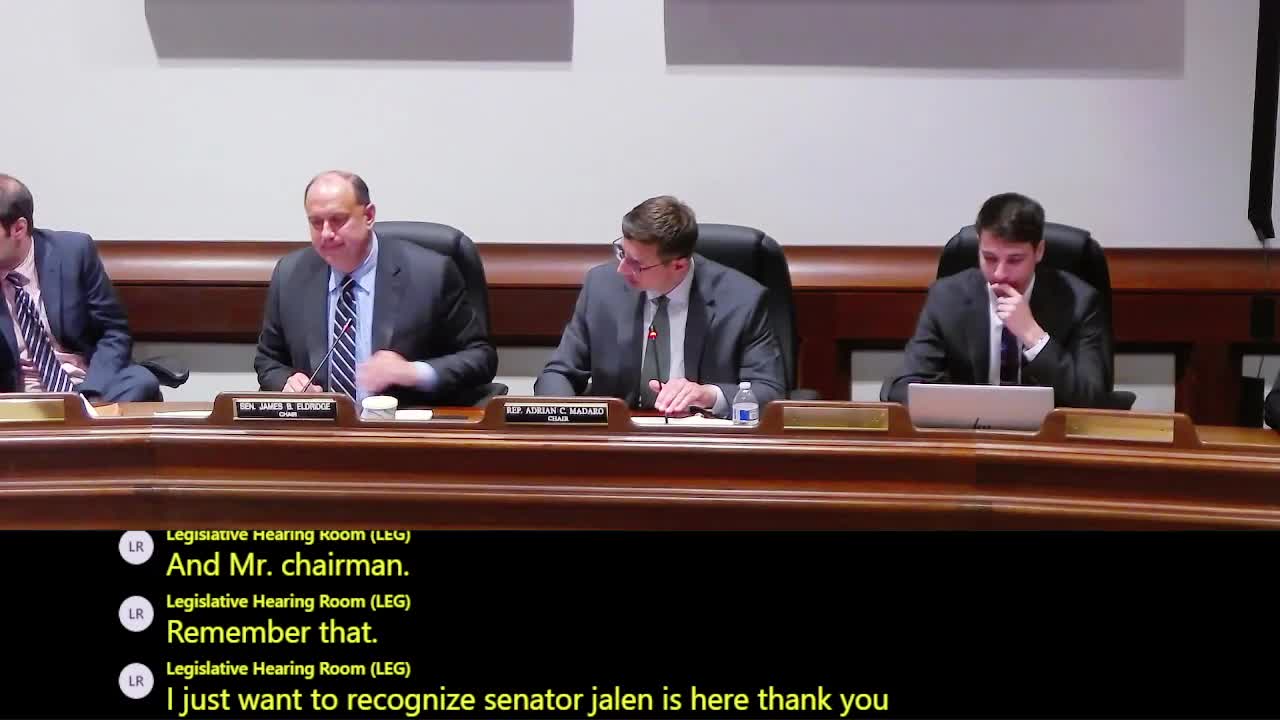
Opponents did not appear in the hearing record for these specific bills; committee members asked few questions during the sponsor’s presentation. No committee vote was recorded during the hearing.
Witnesses and sponsors emphasized procedural safeguards rather than mandating purchases: qualified custodians, audit requirements, explicit caps on exposure, and limits on yield‑generation activities unless they added “zero incremental risk,” as one witness described. The bills would also establish statutory rules for management of any seized digital assets the Commonwealth holds.
The testimony included references to the macroeconomic context—inflation, federal fiscal conditions and perceived erosion of dollar purchasing power—used by proponents to argue for diversification. The hearing transcript records no formal adoption, and the bills remain at the committee stage following the session.