State program returns millions after State v. Blake ruling
Summary
A centralized refund program in Washington has returned more than $5.2 million to nearly 5,000 cases after the Washington State Supreme Court ruled the 1971 drug-possession law unconstitutional; program leaders say average refunds are about $800 and the largest payout has approached $19,000.
The Washington State Supreme Courtruled in February 2021 that the statelaw dating from 1971 used to criminalize simple possession of certain controlled substances was unconstitutional, and a centralized refund program has returned more than $5.2 million to nearly 5,000 cases, a presenter said.
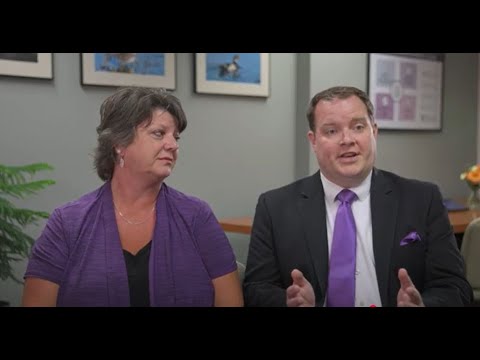
Staff member, a government staff member, said the refunds respond to legal financial obligations (LFOs) that were assessed to people convicted under the statute the court invalidated. "The refund bureau has refunded over 5,200,000 to almost 5,000 cases. The largest payout that we've provided was almost $19,000," the staff member said. The presenter added the average refund is about $800 and that people received lump-sum payments.
The refunds follow the Washington State Supreme Courtdecision in State v. Blake, which the presenter described as overturning a rule that made individuals automatically guilty for mere possession even when possession was inadvertent. "The Supreme Court made this big decision about Blake and drug possession cases. Even if you unintentionally had this drug and a police officer found you, you were automatically guilty. And the Supreme Court and State versus Blake said that was wrong," the staff member said.
The presenter described legal financial obligations as including not only fines but also court costs, interest and late penalties that accumulated after adjudication. "LFOs are more than just the fine levied by the court. There are court expenses as well. So even after their case was adjudicated, they kept getting hit with more fines and fees, and then they got hit with interest and late penalties on top of that," the staff member said.
Program leaders framed the refund effort as a centralized, streamlined way for eligible people to reclaim money without each court having to run its own process. "I think the innovation for this project is really the centralization. Each court doesn't have to do this itself, each municipal court, each superior court. With the Blake Refund Bureau, you only gotta go to 1 place," the presenter said, adding the design goal was to "limit the bureaucracy but don't violate our accounting standards. People discover this, they come in, they check their name, and they find they're eligible for a refund."
The presenter said the refunds can have tangible effects on recipients' lives, citing examples such as paying bills, paying off a car or returning to school. "I think our average is about $800. They're getting it all back in 1 lump sum. It's life changing for a lot of these folks. It could pay off a bill. It could pay off a car," the presenter said, and added that one person used the funds to return to nursing school.
The presenter thanked the Office of Public Defense and the Bar Association, along with prosecutors, public defenders, judges, clerks and court staff, for participating in the program and noted the effort aims to be transparent with taxpayer dollars. "This is a first in the nation program. We are setting a standard for how to provide these vacate reimbursements in a way that is transparent with taxpayer dollars and also easy for folks that are entitled to it to access. I wanna thank the Office of Public Defense and the Bar Association for this award," the presenter said.
The presenter also said the program recognizes broader harms tied to the convictions, including impacts on education, employment, housing and credit, and noted that the refunds do not capture every consequence of the vacated convictions. "What we can't capture in these LFO reimbursements, unfortunately, is the impact that the elimination of credit has on a person's life," the presenter said.
No formal vote or legislative action was recorded in the remarks provided. The presenter described the program as restorative and credited multiple justice-system participants for implementing the refunds.
AI generated
The text on this page is AI generated. Summaries, highlights, analysis, and video transcripts are all produced from the original source material.
AI can make mistakes, so if you spot one, and we will fix it for everyone.
Note: the source content is unaltered by us. Any content source we link to, be it a video, an audio recording, or a document, is presented exactly as its publisher released it. That publisher is usually a government body, sometimes an individual official or another organisation.