Get Full Government Meeting Transcripts, Videos, & Alerts Forever!
Get email alerts on the Transportation Public Transit topic
No spam. Unsubscribe anytime.
Union County Transportation outlines eligibility, ridership and funding for Monroe-area trips
Summary
Teresa Torres, director of Union County Transportation, briefed council members on ridership patterns originating in Monroe, service eligibility, funding sources and scheduling rules including a required 48-hour booking window for most trips.
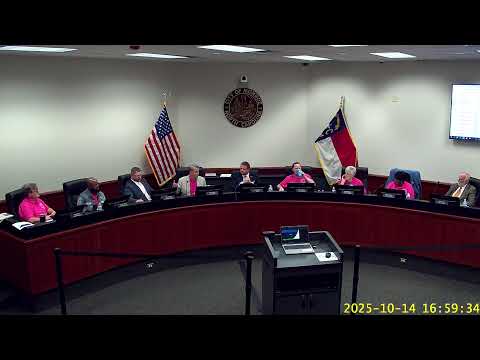
Union County Transportation Director Teresa Torres told the Monroe City Council on Oct. 14 that the county system provides no-cost rides to registered Union County residents, with a service model that prioritizes medical trips and requires most trips to be scheduled at least 48 hours in advance.
Torres said anyone who registers with the county can use the service; children under 16 must be accompanied by a guardian, while those 16 and older may ride alone. Registration is web- or phone-based and includes demographic questions to identify eligible funding sources. “There is no cost to county residents to ride our transportation,” she said.
For trips originating in Monroe during fiscal year 2025, Torres said the largest category was medical appointments — more than 20,000 trips — followed by trips to work, recreation and shopping. She said Union County Transportation’s network also coordinates relay trips to Charlotte and Salisbury in partnership with neighboring counties for Veterans Affairs appointments.
Torres described the agency’s staffing and fleet: about 16 full-time drivers plus part-time and support staff; a mix of minivans, transit-style vehicles and larger 20–22-foot vehicles; and ADA equipment on most vehicles. The department has converted 13 vehicles to bi-fuel (gas and propane) to reduce costs. Torres said passenger totals grew from about 1,400 to over 1,500 and that Monroe residents account for a large share of riders.
On funding, Torres said the department receives multiple streams including federal 5307 funds (recently awarded to the county as a direct recipient), local county funding, pandemic-era funds and grant support for specific services such as the county’s portion of the 74 express route. She explained federal matching requirements for capital and operating funds and noted restrictions tied to some grant sources.
Council members asked how the county service differs from microtransit; Torres said the 48-hour scheduling requirement is the key difference and that trips are typically shared rides rather than single-passenger service.
No city action was taken; the presentation was provided to inform the council’s microtransit discussions.