
Lavaca County approves interlocal agreement with Gulf Bend Center to support crisis-response team
Get AI-powered insights, summaries, and transcripts
Subscribe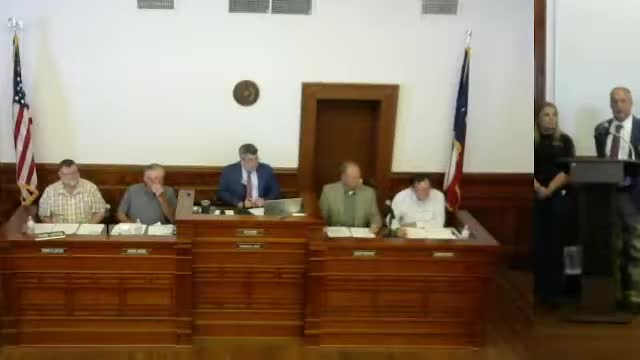
Summary
The commissioners approved an interlocal agreement with Gulf Bend Center to reimburse after-hours transportation and overtime for the county's new mental health crisis-response program; deputies say the program has already enabled jail diversion in at least one recent case.
Lavaca County commissioners on Oct. 14 approved an interlocal agreement with Gulf Bend Center intended to reimburse the county for after-hours mental-health transports and overtime incurred by the county's new crisis-response effort.
The agreement covers a reimbursement pool of $5,000 from Gulf Bend to help pay overtime when deputies respond to mental-health crises outside regular duty hours, a county law-enforcement official told the court before the vote. The court approved the measure by voice vote.
Why it matters: County officials said the funding and the formal agreement make the county's locally based crisis response more sustainable and reduce reliance on distant providers. The program pairs a designated mental-health deputy with a social worker and is modeled on a similar effort in a neighboring county.
Sheriff's Office leaders told the court the county had pushed Gulf Bend, the local mental-health authority, to provide the services Lavaca County pays for. The agreement was described as intended to reimburse overtime pay when deputies are called in for transports or other after-hours crisis work.
Deputy Brittany Kyle, the county's mental-health deputy, briefed the court on on-the-ground outcomes and credited multiple local agencies and staff for the program's early success. "It really does take a team for me to be successful in this position," Kyle said, listing the judges, justices of the peace, chiefs of police and jail staff who have coordinated with her.
Court discussion also cited a recent jail-diversion accomplished by Kyle and partners: a person arrested for a minor offense was diverted out of the jail system and into treatment rather than a longer custodial sentence, county officials said.
The court voted to approve the interlocal agreement after commissioners praised Kyle and the county's effort to build a locally staffed response. The motion to approve was made and seconded and passed by voice vote.
What remains: Officials said they will continue to press Gulf Bend for timely, comprehensive services and that the $5,000 is only one component of a broader mental-health program the court is developing.
Ending: Commissioners said they view the locally based crisis-response team as a pilot for the region and urged continued coordination with state lawmakers and neighboring counties as the program expands.