Clear Creek leaders propose countywide tourism forum while lodging‑tax rules limit county promotion of Georgetown
Loading...
Summary
County and municipal officials discussed launching a countywide tourism forum to coordinate calendars, marketing and grant applications; state lodging‑tax rules mean the county tourism bureau cannot spend lodging‑tax funds to advertise Georgetown, though Georgetown may attend planning meetings.
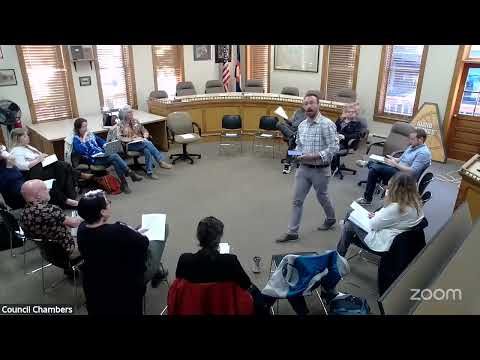
Officials and tourism stakeholders in Clear Creek County discussed forming a countywide tourism forum to align marketing, spread event dates and reduce duplicated effort, participants said. The proposal emerged at a Board of County Commissioners meeting held in Idaho Springs on Oct. 15, 2025.
The proposed forum would bring municipal leaders, tourism‑marketing staff and nonprofit and business representatives together to review event calendars, share visitor data and pursue coordinated grant applications, proponents said. Backers argued a single table for strategy and tactical coordination would help small municipalities avoid competing events, improve use of limited marketing dollars and position applications more favorably for state destination grants.
Why it matters: county officials said coordinated planning could reduce strains on local infrastructure and stretch scarce marketing resources. State grant programs the group hopes to pursue favor collective, countywide efforts, participants said; that makes a shared forum appealing to officials across the county.
Discussion details: speakers described three practical goals for the forum: (1) a shared event calendar to avoid same‑day clashes, (2) a tactical marketing plan to convert people who recreate in the county into paying customers for local businesses, and (3) a coordinated approach to state grant programs. Several municipal representatives emphasized that the county and towns are already seeing downward pressure in some visitor spending measures and that better alignment of messages and timing could improve local sales.
Legal and funding limits: multiple participants noted a statutory constraint that affects how the county tourism bureau can operate. Under the statute that established the county lodging‑tax panel, lodging‑tax proceeds collected by the county may be spent only on advertising and marketing for municipalities that pay into the county lodging tax. Because the town of Georgetown collects its own lodging tax and does not remit those funds to the county bureau, county lodging‑tax dollars may not legally be used to promote Georgetown. County staff advised that the tourism bureau may attend and “witness” collaborative conversations but cannot expend lodging‑tax funds or staff time on marketing that directly benefits Georgetown.
Practical effect: Georgetown officials said the town can participate in an open forum and coordinate with other municipalities, but county staff and the tourism bureau must avoid using lodging‑tax revenue to create or directly fund promotional materials that benefit Georgetown. Some town representatives said the separation was a primary reason Georgetown moved to collect and spend lodging tax locally in the past.
Next steps and implementation: organizers proposed a first forum meeting to be hosted by county staff with invitations to municipal marketing leads, nonprofit cultural groups and business representatives. County staff and the tourism bureau will prepare a proposal for a recurring meeting schedule, a draft shared calendar format and a short list of initial tactical objectives (for example, prioritizing shoulder‑season initiatives and a pilot calendar for winter events). Organizers also said they will pursue coordinated grant applications to the state office that funds destination management programs.
Ending: Organizers said they will return to the commissioners with an implementation plan and timeline after one or two pilot meetings and after staff provide a draft calendar and outreach list.