
Springdale warns state pre‑K funding cuts will reduce revenue and risk access for working families
Get AI-powered insights, summaries, and transcripts
Subscribe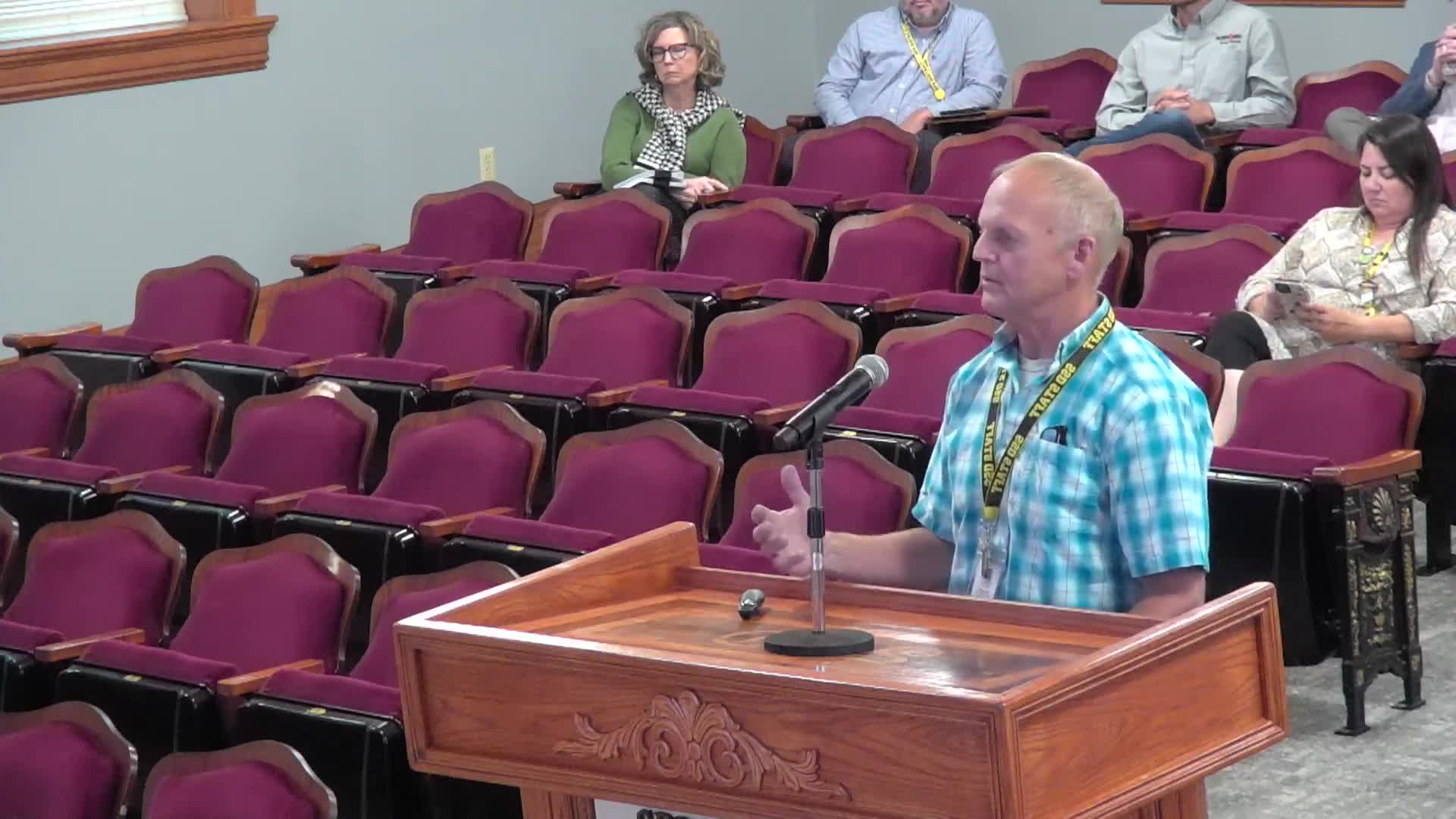
Summary
District staff told the school board on Oct. 14 that a change to CCDF and Better Beginnings reimbursement rules will reduce district revenue by roughly $500,000 next year and already creates an unbudgeted shortfall of about $138,000 for the current year; district leaders said lower-income working parents could face new co‑pays or lost child care.
At the Oct. 14 Springdale School District board meeting, a district staff member briefed the board on state changes to pre‑K funding that the district learned about in mid‑September and said the shift will materially reduce district revenue and could affect low‑income families and the local workforce.
The staff member said Springdale enrolls about 1,012 pre‑K children (ages 3–4) and that pre‑K is currently funded through three main sources: Arkansas Better Chance (ABC) funding, Child Care and Development Fund (CCDF) slots, and parent tuition. The presenter summarized the changes announced by the state: CCDF slot allocations have been reduced (from 212 to 192 in the district), the tiered Better Beginnings reimbursement has been collapsed so many sites will be reimbursed at a lower flat rate, and new income thresholds tied to the state median income will trigger co‑pays for families above the lowest bracket.
District figures given at the meeting: the district had been averaging roughly $46 per student per day under Better Beginnings tiers (a figure the presenter described as closer to K–12 foundation funding). Under the new structure CCDF funding is being set at $30.39 per day; the staff member estimated the district could see about a $500,000 reduction in pre‑K funding next year. For the current school year the district said it faces an unbudgeted shortfall of about $138,000 for the students already enrolled after the state pushed the effective date to November 1 for some changes and agreed to reimburse the district for students enrolled past an earlier Sept. 1 cutoff.
The presenter walked the board through the new family co‑pay bands the state is using, which tie co‑pays to percentages of the state median income. Under that scheme, a family of four earning up to roughly $36,000 would remain in the lowest bracket and incur no co‑pay; families between roughly $36,000 and $49,000 would face co‑pays in newly defined tiers, the presenter said. The district stated it had 163 children using CCDF at the time of the presentation and noted that those families work in factory, restaurant and other blue‑collar jobs that may not absorb new child‑care costs.
Board members and Dr. Jerry Cleveland, Springdale superintendent, said they and district staff had already pursued advocacy and meetings in Little Rock; the state agreed to delay some changes and to waive certain co‑pays for this year for children enrolled in public‑school pre‑K programs. The district said it is reallocating existing funds this year to partly cover the unbudgeted $138,000 loss, and is continuing conversations about next year’s budget and any further state clarifications.
District staff emphasized operational priorities would not change: maintaining the quality of Springdale pre‑K classrooms and full licensing for teachers is a stated priority, but staff and the board also acknowledged the funding shift could push some parents to withdraw children from pre‑K or force parents to reduce work hours.
Board members asked for follow‑up data, including whether the district could identify which families might be hit by the new thresholds and whether alternative local supports could be developed. The district said it will continue to press for more information from state officials and will return to the board with updated financial scenarios.
Ending: The presenter closed by noting the district’s pre‑K seats are largely full and that staff and board are watching immediate enrollment and budget impacts while seeking more information from the Arkansas Department of Education and state child‑care authorities.