Get Full Government Meeting Transcripts, Videos, & Alerts Forever!
Get email alerts on the Occupational Licensing topic
No spam. Unsubscribe anytime.
Wyoming legislators hear calls for state licensing of massage therapists, HVAC and radon technicians
Summary
Lawmakers at a joint Labor, Health and Social Services meeting were urged to consider statewide licensing after local officials in Casper reported public safety and human-trafficking concerns tied to unregulated massage businesses and uncertified HVAC/radon service providers.
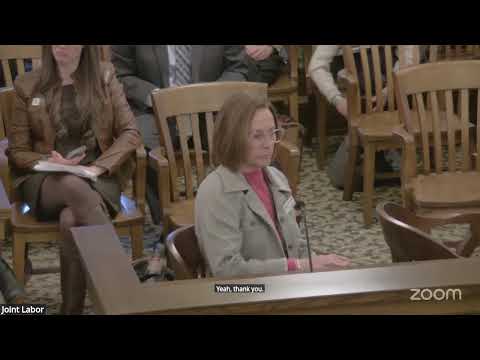
Representative Alisa Campbell, House District 56, told the joint Labor, Health and Social Services Committee that city officials in Casper are asking the state to consider licensing for certain occupations after local efforts to regulate problem businesses had limited reach.
“We actually had massage therapists, licensed therapists come to us and say we need help, because there are businesses popping up that are doing wrong by this industry and causing harm to the public and are engaged in human trafficking,” Campbell said. She described municipalities’ ordinances and enforcement as uneven and said workers and residents were moving to communities without local rules.
The representative also asked lawmakers to consider state oversight for HVAC and radon technicians. Campbell said she and local officials had found only one certified radon technician in Wyoming and reported cases in Casper of people hiring unqualified contractors who charged thousands of dollars and created fire or safety risks.
Chairmen and members of the committee asked clarifying questions about whether the measures would be practice acts under Title 33 and whether oversight might involve the state fire marshal. A committee member suggested the issue may implicate multiple agencies and localities and that a state-level framework would aid consistent enforcement.
Supporters framed the measure as an effort to protect consumers and licensed professionals. Campbell said state licensing would “protect the integrity of the industry” and public safety by setting consistent certification and enforcement standards.
No formal bill or motion was proposed at the meeting; sponsors asked the committee to add the topic to interim study work to develop possible statutory language and identify the appropriate state agency for oversight.