Get Full Government Meeting Transcripts, Videos, & Alerts Forever!
Get email alerts on the K 12 Education topic
No spam. Unsubscribe anytime.
Aberdeen Central principal outlines ACT switch, in-house GED and new literacy grant
Summary
Principal Dr. Ottermark told the Aberdeen School District board that Central High will adopt the ACT as the state assessment, expand GED programming in-house, run a districtwide ‘Testapalooza’ and form a literacy committee after receiving a new grant.
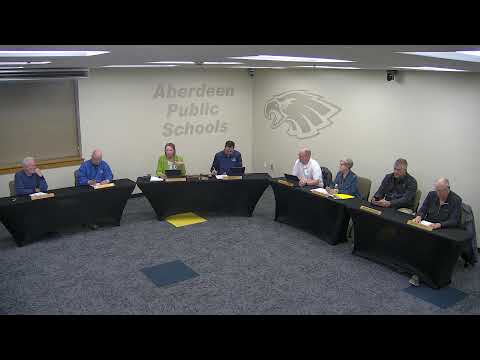
Dr. Ed Ottermark, principal of Aberdeen Central High School, told the Aberdeen School District 06-1 board on Oct. 14 that the high school will shift to the ACT as the state assessment, broaden in-house GED instruction and use a new literacy grant to create a literacy committee.
The announcement came during Central’s regular report to the board. “I’m just all in on this,” Ottermark said of the district’s switch to the ACT, adding that the change lets the district concentrate preparation resources on a single statewide exam. To help juniors, Central plans a day it is calling “Testapalooza,” when juniors will take the state ACT and freshmen and sophomores will take the pre-ACT free of charge to the students.
Why it matters: The move to the ACT makes preparation a statewide priority and may affect curriculum, staff time and student supports. Ottermark said the district can now “invest some of our school budget into preparing them in a better way than we have been able to do in the past.”
Ottermark also described curriculum and student-support work underway. The math department is beginning a curriculum review pending state assessment releases. The high school has started an in-house GED program for students who have been enrolled four-plus years or who face life circumstances that delayed completion; Ottermark said the district previously relied largely on the Department of Labor for GED services and that moving some services in-house aligns with the district’s objectives.
The school won a “significant” literacy grant and has formed a literacy committee, Ottermark said; details of the planned activities remain in early stages. Deb Henderson, who works with the district’s independent learning center, was named as supporting the in-house GED work.
On student supports and culture, Ottermark described a number of programs he said have boosted engagement: a daily SOAR student recognition program and weekly staff recognition, expanded freshman transition programming called Eagle Squad, grade-level staff meetings that let teachers meet on advisory caseloads to monitor academics and attendance, and an active internship program tied to ATEC (Applied Technology Education Center). He told the board that internships average roughly 50–60 students per quarter — “a couple hundred” per school year — and that nearly all seniors participate.
The report covered safety and wellness efforts, including a late‑summer emergency tabletop exercise, annual building safety audits, required SafeSchools online training for staff, and ongoing Mental Health First Aid training. Ottermark said the school attempts to make drills realistic and stressed staff and student participation in the safety work.
Facilities and extracurriculars were also noted: the district upgraded the theater sound system with taxpayer-funded improvements, and Ottermark highlighted the debate team’s national ranking — 16th in the country among about 3,000 schools that participate in the National Forensic League.
Ottermark closed by thanking staff and community partners and invited questions from board members.
Ending: Board members did not take action on any single item in the Central High report; the presentation served as an informational update and to direct continued work on assessment readiness, curriculum review and student supports.