Get Full Government Meeting Transcripts, Videos, & Alerts Forever!
Get email alerts on the Traffic Safety topic
No spam. Unsubscribe anytime.
Wyoming Highway Patrol seeks primary seat-belt offense, child-seat and distracted-driving statutory changes
Summary
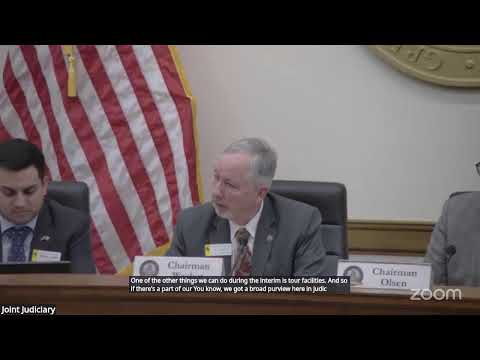
Colonel Tim Cameron, administrator of the Wyoming Highway Patrol, told the Joint Judiciary Committee that the patrol submitted four recommended statutory amendment requests including establishing a primary seat-belt offense, revising child safety-seat language, and refining the distracted-driving statute.
Colonel Tim Cameron, administrator of the Wyoming Highway Patrol, told the Joint Judiciary Committee that the patrol submitted four recommended statutory amendment requests including establishing a primary seat-belt offense, revising child safety-seat language, and refining the distracted-driving statute.
“Under the statutory safety updates…primary seat belt to establish, not wearing a seat belt as a primary offense,” Cameron said, explaining that the change would allow an officer to stop a vehicle solely for an unrestrained occupant. He described the child-seat proposal as language aligning Wyoming law with NHTSA and pediatrician guidance to require rear-facing seats “up to about 3” years of age when appropriate. He said the distracted-driving changes are meant to “limit driver's ability to ensure that their full time and attention is on driving, not manipulating a technical device.”
Cameron also raised a separate request to align certain Highway Patrol survivor benefits with changes made after the death of Sergeant Krenke, saying the broader police system received increases to spousal benefits that have not been applied to the patrol, DCI and Game and Fish personnel. He reported he had discussed the request with legislative staff who indicated no fiscal impact but that staff would need to explain that position in detail.
Committee members asked procedural questions about where retirement-system changes are typically handled. Senator Hicks noted that retirement matters historically go to the Appropriations Committee; Cameron said the topic was not jointly submitted to Appropriations and agreed committee staff could route it if appropriate. Cochair comments accepted the patrol's request as legitimate but did not commit to a specific referral.
No formal motion or vote was taken during the hearing; Cameron’s presentation was recorded as testimony for the interim-topic process. Committee members asked staff to note the topic and to advise whether the subject should be referred to Appropriations for substantive retirement-system review.
The committee’s interim process will prioritize topics by member rankings submitted after the hearing; any statutory drafting or bill development will occur later in the interim if the committee advances the topic.