Central Coast Community Energy briefs Solvang council on storage, EV programs and near‑term affordability risks
Loading...
Summary
Central Coast Community Energy (3CE) presented its annual partnership update to the Solvang City Council, emphasizing growth in renewable procurement, rapid expansion of battery storage, customer programs including electrify-your-ride grants and an outlook that federal tax changes could raise utility-scale costs.
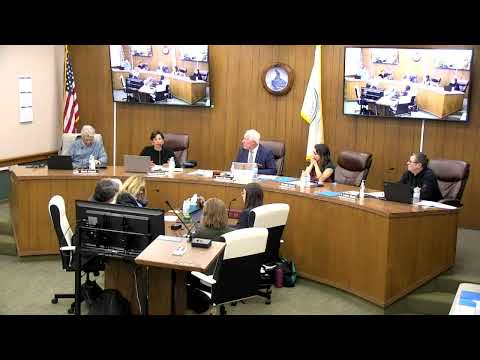
Central Coast Community Energy (3CE) told the Solvang City Council on Oct. 13 that it is expanding renewables and energy‑storage contracts across the Central Coast and urged customers to take advantage of incentive programs while federal tax changes remain in flux.
Spencer Brandt, 3CE community relations manager, told the council that the agency serves 30 cities across five counties and delivered 409 megawatts of renewable energy in 2024, “enough to power more than 350,000 homes.” He described energy storage as increasingly essential to reliability and affordability because it stores abundant mid‑day solar for the evening peak.
Brandt highlighted examples showing how battery storage deployed in recent heat events filled evening demand without as much reliance on fossil‑fuel peaker plants. He said 3CE has no power‑purchase agreements with indoor battery facilities and that contracted containerized battery systems include fire suppression and meet applicable building code requirements. Brandt added that incidents have fallen even as deployments rose: “Over the same time period that battery energy storage has deployed by more than 25,000% since 2018, we’ve also seen a 98% drop in battery system failure incidents.”
Programs and incentives: Brandt summarized customer programs available to Solvang and member agencies: electrify‑your‑ride offers up to $4,000 per EV purchase, funding for electrified accessory dwelling units, agricultural electrification supports, and fleet planning and vehicle grants. He said the city can access up to $300,000 per year combining “charge your fleet” and “electrify your fleet” funds for municipal vehicle and infrastructure needs. He also noted a $42,000 payout to a local farmer for an electric tractor and cited other solar-plus-storage projects recently brought online.
Legislative and regulatory outlook: Brandt noted recent federal legislation changes affecting tax credits and said portions of the tax code that previously supported home electrification credits and utility‑scale project credits had been altered, which could reduce the number of utility‑scale wind and solar projects that reach completion and, in the medium term, raise customer prices. He said 3CE supports regional market initiatives — including a western pathways effort — to broaden markets and reduce costs.
Councilmembers asked about related local programs and how 3CE coordinates with regional air districts on equipment rebates. Brandt said 3CE points customers to complementary programs such as a local landscape equipment electrification program, and described 3CE’s outreach work, including events and multilingual hotlines.
Ending: Brandt closed by encouraging residents and the city to consider stacking local rebates with then‑available federal credits for maximum savings, and said 3CE staff and regulatory teams remain engaged at the CPUC and in legislative initiatives to pursue affordability and clean‑energy goals.