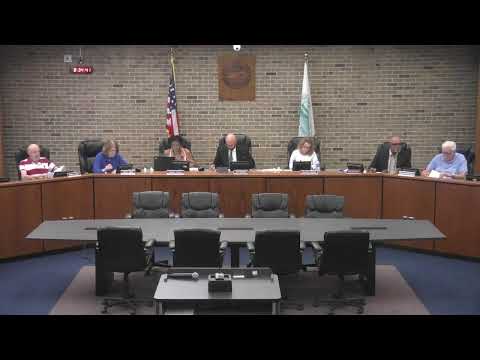
Romulus council introduces ordinance changes to limit fuel stations and tighten rules for used-car lots
Loading...
Summary
City planning staff and the planning commission recommended — and council introduced — text amendments that would impose distance and intersection limits on fueling stations, raise minimum lot size and building requirements for used-car dealerships, and align related ordinances.
Romulus City Council on Oct. 13 unanimously approved first reading and introduction of a package of zoning and code changes aimed at vehicle-related uses, including fuel stations and used-car dealerships.
Jeff Kemp, the city’s director of building and planning, summarized the background: the council adopted a one-year moratorium on fuel stations on Jan. 27, 2025, after a surge of applications. Planning staff and consultants drafted amendments to Article 11 (use standards) focused on gas stations and used-car dealers; the planning commission unanimously recommended the changes.
Kemp described key provisions: a 2,500-foot minimum distance between fueling stations and a maximum of two fueling stations per intersection; used-car dealerships would require a minimum lot size that increases from 1 acre to 2 acres and must provide building space with at least two service stalls per acre for onsite repair. “There’s a distance requirement between fueling stations of 2,500 feet, and then also only 2 per intersection,” Kemp said.
Council also introduced parallel amendments to Chapter 58 (traffic and motor vehicles) to align the secondhand automobile business code provisions with the zoning changes. Separately, council approved introduction of TA2025‑003 to shorten the life of approved site plans from 18 months to 12 months (with one allowable extension), a change planners said will reduce stale approvals and improve development follow‑through.
Miss Roscoe moved to concur with the planning commission and introduce TA2025‑002; Mr. Kraut seconded. The council then approved the first readings by roll call. Staff said the changes are intended to reduce clustering of vehicle uses and raise site standards for dealerships.