Eugene Police Commission adopts ALPR policy amid public calls to disable Flock cameras; officer-response policy tabled
Loading...
Summary
The Eugene Police Commission voted Oct. 9 to adopt policy 12-04 governing automated license-plate readers (ALPRs) after public comment pressing for the immediate shutdown and removal of vendor-operated Flock Safety cameras and a lengthy staff and commissioner discussion about data retention, audits and legal limits on sharing data.
The Eugene Police Commission voted Oct. 9 to adopt policy 12-04 governing the department’s use of automated license-plate readers (ALPRs), after public comment urging the immediate shutdown and removal of privately operated Flock Safety cameras and a lengthy discussion about data retention, audit procedures and legal limits on sharing data with outside agencies.
The 10–0 vote with one abstention came after public commenters including Jacob True of Eyes Off Eugene and organizers from local groups pressed commissioners to oppose vendor-operated ALPR systems and to ensure any retained data could not be used for immigration enforcement or other federal investigations. Commissioners also voted unanimously to table a separate review of the department’s officer-response policy (policy 416) for further revision and community-informed clarification. The commission approved meeting minutes and adopted a reordered agenda earlier in the session.
Why it matters
ALPR systems and the private companies that operate them have become the focus of privacy and civil‑liberties concern in Eugene and other Oregon cities. The policy adopted by the commission sets local expectations for EPD’s use of ALPR technology — including who may query the system, inspection/audit practices and data-retention timelines — even as the City Council has asked the city manager to pause camera use pending further review.
What the public said
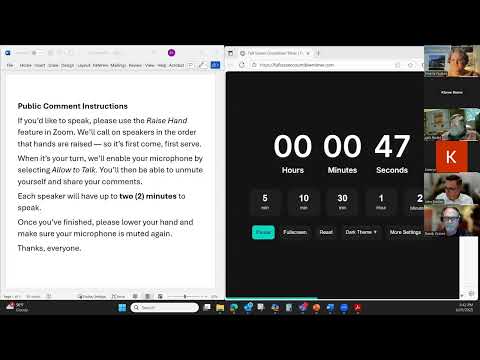
Several residents used the commission’s public-comment period to call for swift action. "I wear many hats in the community, but I'm here today with Eyes Off Eugene, a public safety advocacy group who has been pushing for the removal of clock cameras in our community," said Jacob True. True urged the commission to ensure cameras were turned off and suggested temporarily covering lenses until Flock Safety removed equipment.
Dr. Jeffrey Gordon of Board 7 asked the police chief to confirm the cameras had been turned off and called for removal of a police commissioner whom he accused of misconduct. Cameron Stringfield, an organizer with the Party for Socialism and Liberation, urged commissioners to vote against the ALPR policy and warned of false matches and the potential for data-sharing with federal agencies. Rebecca Amadeo of the River Road neighborhood echoed calls to obscure or remove camera views and to confirm that the system was not actively recording.
Commission and staff discussion
Councilor Emily Yeh and Councilor Mike Groves, who attended parts of the meeting as liaisons, updated the commission on a City Council work session the night before in which the council asked the city manager to pause the Flock cameras pending a broader community discussion. Councilor Groves moved to adopt policy 12-04 during the commission meeting and spoke for adopting a policy now to provide clear written guidelines for department personnel;
Chief Skinner (identified in the transcript initially as Chris Feener) and Sergeant Allison Jordan described operational safeguards in the draft policy and additional steps EPD has taken. Staff said the draft policy would include quarterly audits (sergeant Jordan indicated the audit frequency language would be changed to "quarterly"), and that ALPR-derived imagery retained by the vendor is stored without direct personally identifying information (PII) and is subject to a 30-day rolling deletion schedule. Chief Skinner said EPD verifies outside-agency requests before searching or disclosing data and that most cross-jurisdictional assistance consists of EPD running searches on behalf of other agencies rather than providing back‑end access to the vendor system.
On legal limits and federal requests, commissioners and staff noted two points emphasized in the discussion: (1) Oregon law and the City’s sanctuary‑policy posture restrict use of public resources for immigration enforcement, and (2) a valid federal court order or subpoena could compel disclosure; in that circumstance, staff said the department would consult the city attorney and other legal avenues (including seeking stays) before noncompliance.
Formal actions and votes
- Motion: Adopt policy 12-04 (Automated License Plate Reader policy). Mover: Councilor Groves. Second: (not specified on record). Vote: 10 yes, 0 no, 1 abstain. Outcome: approved.
- Motion: Table review/adoption of Officer Response policy (policy 416) to allow staff to revise highlighted items and bring a redlined version back for commission review. Mover: Commissioner Rady. Second: Vice Chair John Bradley. Vote: unanimous in favor. Outcome: tabled for further revision.
- Motion: Approve minutes of the Sept. 11 meeting with amendments (corrections to gender references, staff titles). Mover: Vice Chair John Bradley. Vote: adopted (unanimous by voice roll call; no detailed tally recorded). Outcome: approved.
- Motion: Approve agenda with reordering to take public comment after agenda approval. Mover: Chair Amelia Folkes. Second: Vice Chair John Bradley. Outcome: approved.
Key clarifications and technical details recorded
- Audit frequency: staff indicated policy language would specify quarterly audits of ALPR use. - Retention: staff described a 30-day rolling deletion of vendor-stored images/data; data older than 30 days is unrecoverable under the vendor’s certification. - Data contents: staff said vendor-stored ALPR data contains still images with date/time/location metadata and not direct PII fields; however images may show vehicles and surroundings. - Access and sharing: EPD staff said they vet and validate outside-agency requests, usually running searches on the agency’s behalf rather than granting external agencies direct access. - Security posture: chief and staff said the vendor holds industry security certifications and that cloud hosting (e.g., government cloud services) is commonly used; they acknowledged no system is impervious to breach.
Discussion points commissioners highlighted
Several commissioners and council liaisons emphasized the commission’s advisory role and asked the department to return with tightened language around audits, explicit statements about data-sharing limits (for example referencing restrictions under state law and local policy), and a clearer public explanation of how and when ALPR results are used for routine patrol versus investigatory responses.
What’s next
The City Council had asked the city manager to pause the vendor-operated camera feeds while a broader public review proceeds. The commission adopted policy 12-04 as its current recommendation to EPD but signaled it expects to revisit the policy as contract language, council actions and additional technical/security information emerge. The officer-response policy (policy 416) was tabled; staff will make the requested clarifications, highlight edits and return a revised draft for commission review.
Ending
Commission leadership and staff encouraged continued public engagement as the city and commission move forward with technical- and rights-focused reviews of ALPR use. The commission’s adopted policy and the minutes of the Oct. 9 meeting will be posted with the record of public comment and the updated drafts when they are available.