Get Full Government Meeting Transcripts, Videos, & Alerts Forever!
Get email alerts on the Department Of Alternative Sentencing topic
No spam. Unsubscribe anytime.
Washoe County launches code-change process to dissolve Department of Alternative Sentencing
Summary
The Board of County Commissioners voted unanimously to initiate repeal of the county code that created the Department of Alternative Sentencing, starting a formal process to move DAS functions into other departments and direct the clerk to request a draft ordinance from the district attorney.
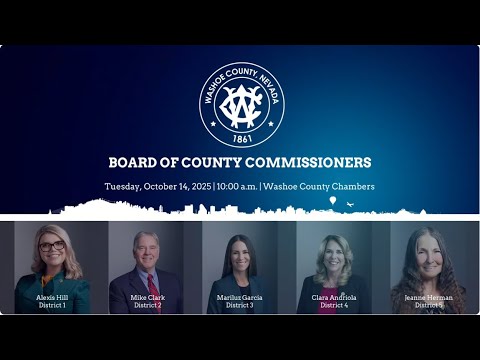
The Washoe County Board of County Commissioners voted unanimously Oct. 14 to begin a formal code-amendment process that would repeal the ordinance establishing the Department of Alternative Sentencing (DAS) and transfer its duties to other county departments.
Chairwoman Hill moved to “initiate amendments to the Washoe County Code by repealing Chapter 11 in its entirety to dissolve the Department of Alternative Sentencing effective Jan. 1, 2026, and to direct the county clerk to submit the request to the district attorney for preparation of a proposed revision in accordance with Washoe County Code 2.04.” Commissioner Clark seconded the motion; the board voted in favor on a recorded voice vote.
County staff said the vote today authorizes only the start of a legislative process, not final adoption. Chief Financial Officer Abby Yacoban told commissioners the proposal is intended to preserve DAS program services while increasing administrative efficiency and reducing duplicative costs. She said the immediate, preliminary savings estimated for the reorganization are primarily the DAS chief’s salary and an existing lease and that more detailed budget adjustments would be presented to the board in subsequent meetings if the code change moves forward.
The item prompted extensive public comment. Current and former DAS staff and their attorney described the department’s work supervising court-ordered conditions, drug testing and court compliance, and asked the board to preserve the unit or allow DAS to correct prior management problems without dissolution. Chief Mark Wickman, speaking for DAS staff, said the department has returned unspent funds, that fees and lab operations follow court orders, and warned that outsourcing testing or dismantling DAS could increase costs and disrupt supervision that judges rely on to keep people in the community.
Other commenters — including the public defender and a retired DAS chief — supported consolidating pretrial and supervision functions under a single agency, saying that alignment of pretrial supervision with other court services can reduce confusion for defendants and improve data and outcomes.
District Attorney Michael Larch advised the board that structural changes to county departments are within the board’s authority and said no changes to collective bargaining agreements were being made by this procedural vote. He also told the commissioners that a legislative process — not administrative grievance or arbitration — is the appropriate avenue for structural reorganization.
Commissioners emphasized they intend to protect core services while seeking efficiencies. Chair Hill said the action opens the code for revision and that staff will return with more specific plans, budget moves, and consultations with courts and partner agencies. The board set the process in motion; substantive ordinance language and potential budget reallocations will be brought back to the commission for consideration before any final repeal or transfers take effect.
If the board proceeds with repeal of Chapter 11, the clerk will ask the district attorney’s office to draft a proposed ordinance and the item will return for public hearings and a vote.