
Seward County appraiser and residents warn lengthy valuation appeals and large refunds risk local budgets
Get AI-powered insights, summaries, and transcripts
Subscribe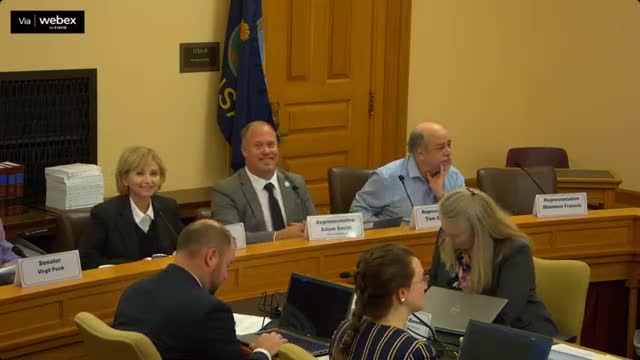
Summary
County appraisers, business owners and local publishers described lengthy litigation over ethanol-plant valuations, delayed Board of Tax Appeals (BOTA) decisions, and a county mill-levy increase to set aside funds for potential refunds, warning that the process is harming residents and confusing local budgeting.
Seward County appraiser Angela Eichmann told the Special Committee on Taxation that protracted appeals over the classification and valuation of ethanol and helium facilities are imposing major burdens on local government budgets and taxpayers. The ethanol plant at issue came off a 10‑year tiered abatement and the county sought an outside appraisal; the plant has appealed the resulting valuations and the appeals covering tax years 2018–2020 remain unresolved.
“We are looking at waiting on this decision is not only a possible refund, but all of the interest as well,” Eichmann told the committee. She said the appeals process has stretched multiple years and that taxpayers are often unaware of the potential impact until they receive large bills or refunds years later.
Earl Watt, publisher of a Seward County newspaper, told lawmakers the county’s handling of the dispute triggered an increase in the county’s mill levy: one round of discussion initially considered an approximately 26‑mill jump, later adjusted to a 13‑mill increase after commissioners revised amounts they intended to reserve. Watt said some funds that other taxing entities reserved for potential refunds were held in segregated accounts, but he said the county instead spent portions of the revenue and then increased the levy to cover additional budget items — a move he said left taxpayers feeling blindsided.
Business owner Kelly Hill said the county’s rapid tax changes are squeezing small firms: “For me, it’s roughly … $138 a day in property taxes for my business,” Hill said, describing renovations and subsequent tax increases on a downtown property. Hill and others said they want clearer, faster resolution of valuation appeals and better transparency about how local governments handle disputed revenue and reserve funds.
Legal and administrative questions arose during the hearing. Representative Sawyer asked about the appeals timeline; Eichmann confirmed cases filed in 2018 remain pending through successive review levels. Mary (staff) explained that statutes set different interest‑rate calculations for refunds versus delinquent taxpayers; the interest rate on refunds changes annually under KSA provisions and is typically lower than delinquent‑tax penalties.
Why it matters: prolonged appeals can produce large retroactive refunds plus interest, strain local budgets and prompt precautionary mill‑levy increases. Seward County witnesses described a recent, large one‑year mill‑levy increase that they said was partly intended to cover potential refunds tied to litigation that has been pending many years.
What lawmakers requested: committee members asked for more detail on BOTA’s caseload and timelines, staff to report statutory interest‑rate formulas that apply to refunds and delinquent taxes, and PVD and county officials to consider process changes that could reduce multi‑year uncertainty for taxpayers and local budgets.