Get Full Government Meeting Transcripts, Videos, & Alerts Forever!
Get email alerts on the Watershed Debris topic
No spam. Unsubscribe anytime.
Long Beach council urges regional action on Los Angeles River trash, directs staff to engage water board
Summary
The City Council voted unanimously to press the Los Angeles Regional Water Quality Control Board and upstream jurisdictions for stronger, enforceable measures to reduce trash entering the LA River that flows to Long Beach beaches.
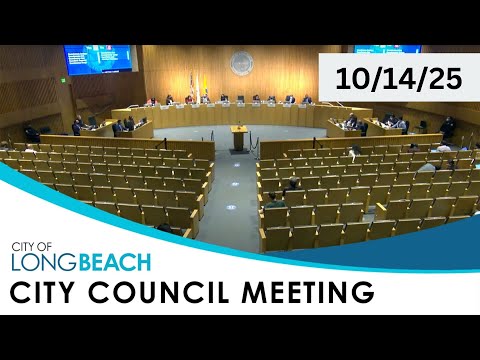
Long Beach City Council on Tuesday voted to press for stronger regional rules and partnerships aimed at preventing trash carried by the Los Angeles River from reaching Long Beach beaches.
The council approved a pair of related items asking staff to engage with the Los Angeles Regional Water Quality Control Board during the upcoming rulemaking on the nonpoint source trash waiver and to pursue county and multi‑jurisdictional collaboration, funding opportunities and public education to reduce watershed debris affecting Long Beach.
Councilmember Rex Richardson and councilmembers who sponsored the measures said the city has been shouldering an outsized cleanup cost for trash that originates upstream. Councilmember Duggan told the council the Water Board’s draft replaces a five‑year conditional waiver with permanent waste discharge requirements that would add ongoing enforcement authority and require consistent public reporting of trash‑collection data.
Nut graf: Long Beach removed more than 25 million pounds of debris from waterways between 2020 and 2024 at a cost the council estimated at about $12 million from city tidelands funds. The council framed the action as urgent because the next rainy season can send large storm flows down the engineered LA River directly to the coast, bringing both safety hazards and large cleanup expenses.
Councilmember Duggan said the city must “engage and advocate” in the Water Board rulemaking because whatever the board adopts will determine regional standards for years. The draft rule, she said, moves trash control from temporary waivers to a permanent, enforceable structure and requires standardized data uploads and ADA‑accessible annual reports.
Several council members described the need for a multi‑pronged approach: improved upstream capture technology, stronger enforcement and new funding sources so Long Beach is not left to bear the costs alone. Councilmember Allen noted the city previously received a $500,000 county contribution that stopped during the pandemic and has not been restored.
Public speakers supported the council action. Gabriel Jordan, a Long Beach resident and board member of the Long Beach Lifeguard Association, said pollution from the LA River creates navigational and safety hazards and urged the city to collaborate with the regional water board. Bruce McCray and volunteer groups including World Mission Society Church of God described repeated volunteer cleanup efforts and urged the council to secure upstream funding.
The council directed staff to lead outreach to the regional water board, coordinate with the county and upstream cities, and pursue available funding and technology pilots. The motion passed unanimously.
Ending: City staff said the city would submit formal comments in the open Water Board public comment period, support a similar motion at the Los Angeles County Board of Supervisors, and provide updates as work progresses.