
Clinton board moves to draft law barring new hotels and conference centers until comprehensive plan is updated
Get AI-powered insights, summaries, and transcripts
Subscribe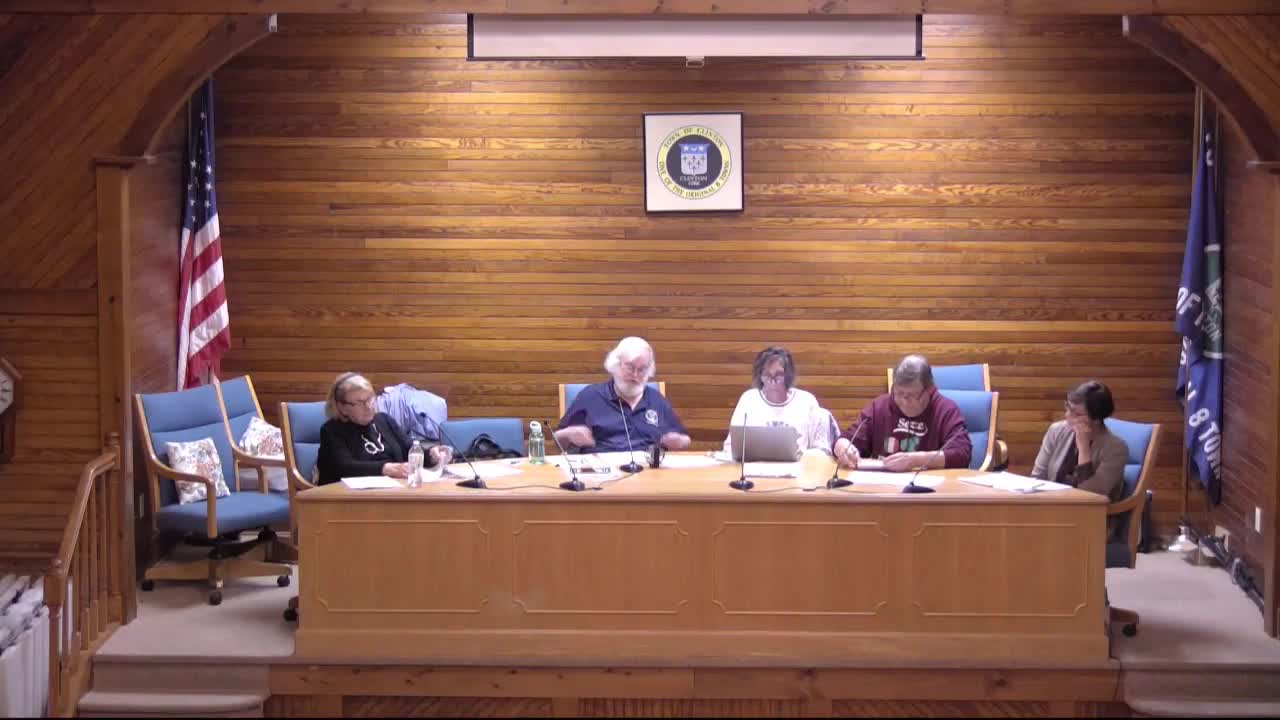
Summary
After months of public comment, the Town Board signaled consensus to have the town attorney draft a local law to prohibit new hospitality venues (hotels, motels, conference centers, inns) until the town updates its comprehensive plan; three projects already in progress remain excluded from the current moratorium per town counsel advice.
Council discussion and extensive public comment on Oct. 14 focused on whether to ban new hospitality venues — including hotels, motels and conference centers — pending a revision of the town’s comprehensive plan.
Councilwoman Catherine Mostello outlined the board’s proposed approach: prohibit all new hospitality venues until after the comprehensive plan is updated, and have the town attorney prepare a draft resolution for introduction at the Nov. 2025 meeting. "Enacting a new law prohibiting hospitality venues will supersede the moratorium and remain in place unless it is repealed and replaced with a new and more suitable local law to be adopted after a new comprehensive plan is in place," she said.
Board members and many public speakers described the issue as central to the town's future character. Graham Trask and Donna Burns said the town should repeal or rewrite the conference-center zoning to prevent large resort-style development. Dan Berndt, who reviewed the 2021 conference-center language, urged the board to align zoning with the comprehensive plan and warned that changes hidden in red-line drafts had expanded definitions and added on-site employee housing.
Several residents — including Maggie Schimolfenny, Amy Jelenko and Hugh Lewis — told the board they welcomed a prohibition on new large hospitality projects outside hamlets. Dal Lemania, a neighbor of a proposed project, said he had come to believe compromise might be possible with developers but urged protections for neighbors and the environment. Some speakers asked the board to ensure any new law apply to projects without vested rights (those not yet permitted).
Board discussion noted the July moratorium, which lasts six months and may be extended another six months; counsel advised that three projects already in process are excluded from the moratorium because of their application status. Board members acknowledged legal risk either way — lawsuits are likely whether the town tightens or loosens rules — and emphasized the need to base permanent zoning on the comprehensive plan rather than ad-hoc changes.
No formal vote was taken to adopt a permanent ban at the Oct. 14 meeting. Members indicated a working consensus and the supervisor said he would work with the town attorney to prepare a draft resolution for the board to consider in November. The board also discussed whether any future law should apply retroactively or only to new applications, and said that question would be addressed when a draft is available.
The discussion drew extensive public comment and signaled the board’s intent to move toward a locally adopted prohibition on new hospitality venues pending the comprehensive-plan process.