Get Full Government Meeting Transcripts, Videos, & Alerts Forever!
Get email alerts on the Taxes And Revenue topic
No spam. Unsubscribe anytime.
Vista reports STR compliance gains and revenue boost after ordinance; 103 permits now issued
Summary
City staff reported implementation progress on the short‑term rental ordinance: 103 properties licensed as of Oct. 10, tax collections up more than 150% year‑over‑year, and continued enforcement against noncompliant operators using the Deckard Technologies monitoring platform.
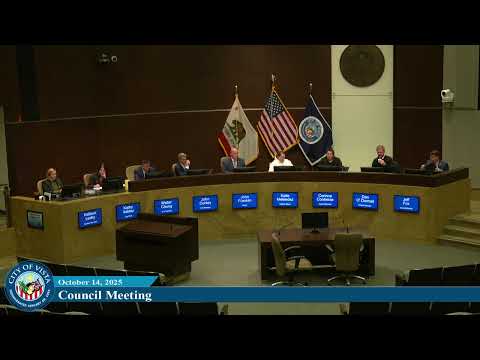
City staff told the Vista City Council on Tuesday that implementation of the city’s short‑term rental (STR) ordinance, effective July 1, 2024, is producing higher compliance and increased transient occupancy tax (TOT) revenue.
Lisa Hand, management analyst with the finance department, said the city now has 103 licensed short‑term rental properties as of Oct. 10 and that quarterly TOT collections have risen more than 150% compared with the prior year; the report noted figures include late fees and interest. Hand described the city’s compliance program — a combination of outreach, a registration and payment portal, a 24/7 complaint hotline and vendor monitoring — and said staff had issued notices and administrative citations where needed.
Deckard Technologies, the vendor the city contracted to help identify and monitor STR listings, reported an 81% compliance rate so far and explained how its data platform aggregates listings across multiple hosting platforms and converts advertisements to parcel‑level leads for enforcement. Deckard CEO Nick Delpego told the council the operator population turns over frequently and that the company expects compliance rates to rise further in year two of the program.
Staff detailed enforcement steps taken to date: on Aug. 6 code enforcement issued notices to 24 property owners believed to be operating without a permit; 11 of those 24 became compliant after outreach and now 13 remain noncompliant. Administrative citation amounts were explained: first citation $500, second $1,000, and third or subsequent citations within a year $1,500; after three citations a permit can be revoked and fines transferred to the property tax roll if unpaid. Staff said fines and unpaid invoices can be pursued through the courts and judgment enforcement mechanisms if necessary.
Deputy Mayor Melendez and others asked whether the TOT program is cash‑positive (revenues exceed program costs). Staff said the program has already brought in more than $600,000 since implementation and that the Deckard contract and enforcement program are being covered by the existing communications and finance budgets; staff said net positive results have been achieved so far.
The council did not take formal action on the report; the presentation was informational. Staff noted new state law SB 346 (signed this week) will require platforms to share more listing data with local agencies, which could aid enforcement.
Key numbers from staff presentation: 103 registered STR properties (as of Oct. 10), 24 properties issued notices (11 became compliant; 13 remain noncompliant), reported compliance rate ~81%, TOT revenue increase more than 150% year‑over‑year, city receipts to date exceed $600,000 (includes late fees and interest).