Get Full Government Meeting Transcripts, Videos, & Alerts Forever!
Get email alerts on the Historic Preservation topic
No spam. Unsubscribe anytime.
Tiverton council schedules workshop after heated debate over draft historic-demolition ordinance
Summary
Councilors aired concerns about a proposed historic-demolition ordinance that would create a process for protecting individual historic properties. They asked for a joint workshop with the Historic Preservation Advisory Board and a state preservation representative before sending a draft to a public hearing.
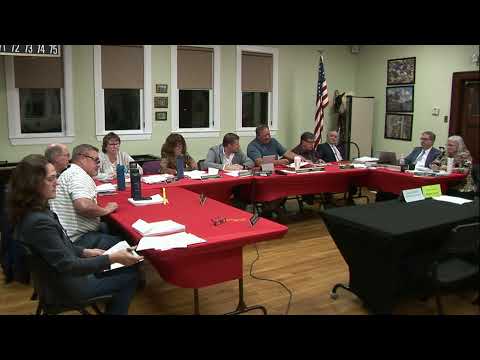
The Tiverton Town Council on Oct. 14 agreed to hold a workshop with the Historic Preservation Advisory Board after councilors voiced concerns that a draft demolition ordinance could give an advisory board excessive power, lack an appeals process and improperly designate properties as historic.
Councilors said the draft circulated by the solicitor and the advisory board needed additional clarification about which properties would be eligible for protection, how owners would be notified, what an appeals process would look like and whether a 180-day hold or similar waiting periods were appropriate. Several councilors referenced an existing town ordinance (chapter 1867) and materials compiled in 1983 by the Rhode Island Historic Preservation Commission, and the solicitor noted the town has a preexisting demolition-of-historic-buildings ordinance; practitioners differed over whether that earlier ordinance had been submitted to the state for required review.
Solicitor Michael Slusser (office representative) explained the memo in the meeting packet outlined policy choices and legal issues and said the solicitor's office would draft whatever version the council directs. Councilors requested that the Historic Preservation Advisory Board refine notice and appeal language and that the council hold a joint workshop (including the preservation-state representative who previously met with the advisory board) before any public hearing.
Council President (presiding officer) directed staff to schedule the joint workshop; the council did not vote on the draft ordinance pending that workshop and revisions. The solicitor confirmed the town could protect individual buildings but highlighted the complexity of enforcing and defining historic status without a formal historic district.
Councilors emphasized that any ordinance must include a clear process for property owners to appeal decisions and explained they were wary of subjective lists and unilateral designations that could trigger lengthy delays or legal challenges. The workshop will include the Historic Preservation Advisory Board and the solicitor; staff said they would invite the state preservation representative who previously advised the board.