Lifetime Citizen Portal Access — AI Briefings, Alerts & Unlimited Follows
Canyons volunteers describe simple ways parents can help at schools
Loading...
Summary
On the Connect Canyons podcast, two longtime PTA volunteers outlined practical volunteer roles, explained the difference between PTA and the School Community Council, and urged parents to start small to support students across the district.
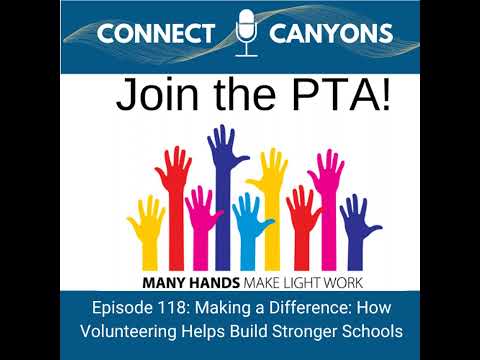
On an episode of the Canyons School District podcast Connect Canyons, two parent volunteers outlined how small commitments of time help classrooms, school events and students districtwide.
Jessica Davies, Central Elementary PTA Council president, and Teneal Hansen, a PTA member at Alta High School and secondary council PTA secretary, described routine volunteer tasks and urged parents to “just show up” even if they can only contribute a little time. Host Francesco framed the conversation for listeners as a guide to getting involved.
The discussion focused on two main volunteer structures at Canyons: the parent-teacher association (PTA) and the School Community Council (SCC). “The PTA is the parent teacher association. So that is the parent group for the school,” Davies said. She summarized SCC work as oversight of “land trust money and some other funding that’s provided by the state,” and emphasized that SCC membership gives parents a say in how certain school funds are spent.
Both guests described a range of volunteer tasks that do not require large time commitments: helping with classroom parties, cutting materials at home, staffing book fairs, running lunchtime activities at middle school, setting up A/V or playlists for events, and taking photos of school programs. Davies said parents who are short on time can often help with one-off projects: “I promise they will find something for you to do even if it’s just very small and a 1 off project.”
Hansen and Davies also described benefits to volunteers and students. Hansen said returning to schools filled a “teaching bug” and helps parents understand what students do during the day. Davies recounted that some volunteers become familiar faces students seek out: “I had a couple of kids come up to me and say, hey. You’re the PTA lady… I mean, it was one of those, like, I’m a familiar face.” Both noted that consistent adult presence at schools can support students who need extra encouragement.
Practical tips that came up in the episode included attending one PTA or SCC meeting to learn more (Davies noted SCC meetings are typically once a month), asking teachers what they need, and starting with a small, repeatable task. The guests also encouraged volunteers to consider middle and high schools, where lunchtime activities or brief visits can provide important adult contact.
The episode closed with a listener call to action: Host Francesco reminded listeners that they can contact the district communications office for topic ideas and provided the district email address on air.
The podcast did not include formal actions, votes or new district policy changes; it was a resource-oriented conversation aimed at encouraging parent engagement.