Get Full Government Meeting Transcripts, Videos, & Alerts Forever!
Get email alerts on the Economic Development topic
No spam. Unsubscribe anytime.
Development director moves to standardize metrics, pursue Research Park plan and shift some housing rehab funding to CDBG
Summary
Development staff told the Financial Affairs Committee the department will begin tracking net‑new construction relative to peer communities, expand homeowner ADU outreach, transition some housing‑rehab work from ARPA to CDBG and study relocating the DPW yard to Mount Tosa as a step toward future redevelopment.
Development Director Mark presented the department’s 2026 budget narrative and performance measures to the Financial Affairs Committee on Oct. 14, emphasizing a new approach to benchmarking and a handful of program changes.
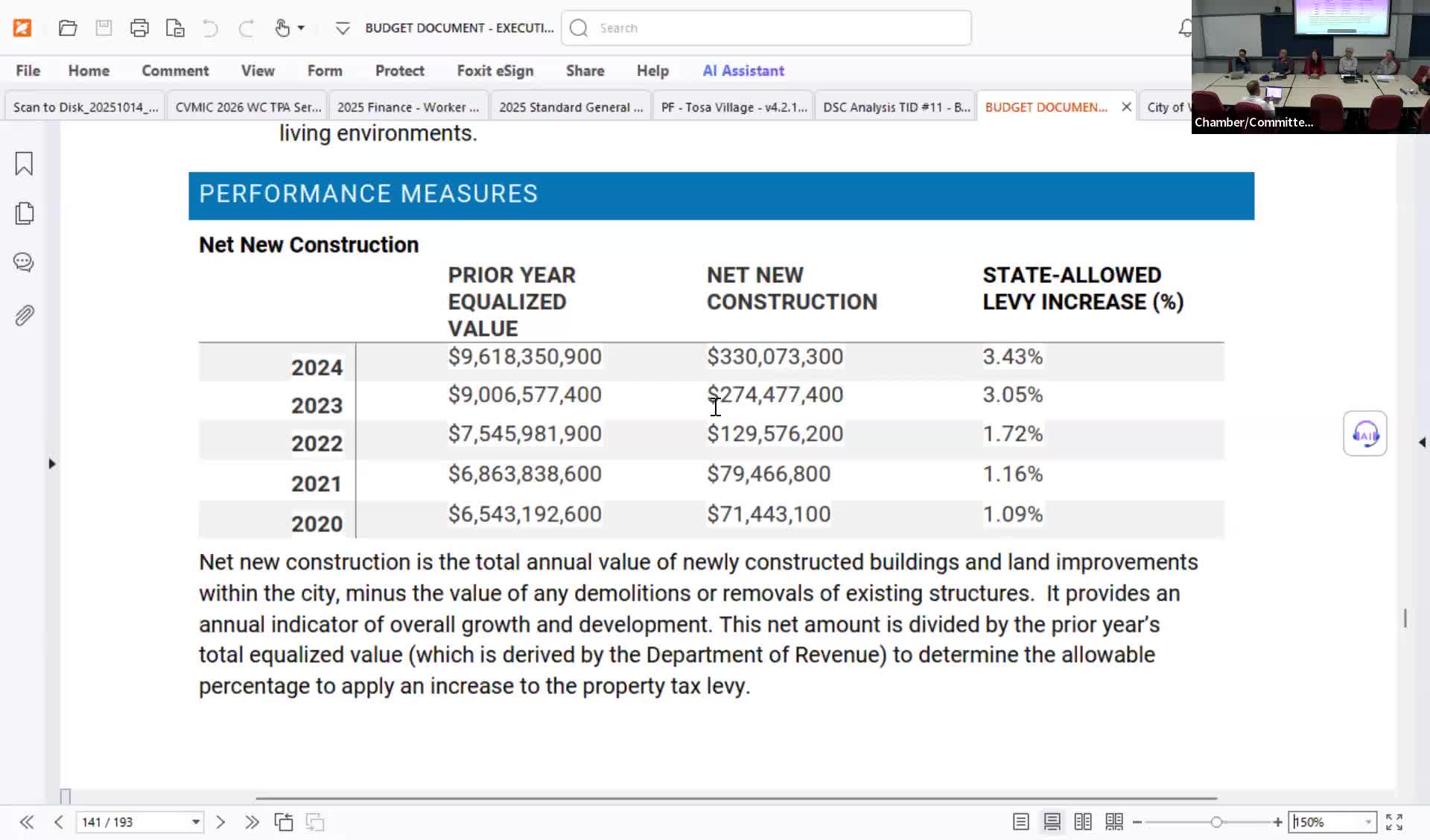
Mark said the department will make net new construction its principal performance measure and will compare Wauwatosa with peer communities (Brookfield, West Allis and similar suburbs) to better understand relative performance. On accessory dwelling units (ADUs), the department ran an ARPA‑funded outreach effort: roughly 100 property owners expressed interest, staff provided 21 consultations and one ADU application is moving forward at this time.
The housing rehab program issued 14 loans in the trailing year totaling about $236,000; next year the department plans to shift some of that work from ARPA funding to Community Development Block Grant (CDBG) dollars and continue the forgivable‑loan program for eligible homeowners.
The department proposed modest fee adjustments in several areas to align with peer communities. For example, the plumbing permit minimum was listed in the packet moving from $50 to $65; staff said increases were applied selectively where Wauwatosa had fallen below regional peers.
A notable capital‑planning item is a two‑phase review of moving Public Works yard operations onto the capped Mount Tosa landfill as a first step toward redeveloping the current DPW yard site. Staff said continuing onto phase 2 would require environmental analysis of the existing yard site and that a $42,000 consulting study would be funded from the redevelopment reserve and a TID contribution if the DNR agrees to the Mount Tosa move.
Longer‑term goals include creation of a Milwaukee County Research Park master plan (stakeholder and public engagement to begin in the coming months), working with the Community Development Authority to deploy an existing affordable‑housing fund (approximately $700,000) using newly adopted policy parameters that favor deeper affordability, and continued emphasis on property‑maintenance enforcement where deferred upkeep is affecting neighboring properties.
Committee members asked about the scope of fee increases, whether electrical permits were included among potential fee changes (staff said fee work targeted areas that trailed peers and that not all categories were increased), and the design‑review expedite fee (staff said the expedite option shortens staff turnaround time but does not shorten public notice or reduce opportunity for comment). Mark said the department will provide more detail next month on housing‑rehab program funding as it transitions to CDBG support.
The committee did not take any formal votes on development items at the Oct. 14 meeting.