
Fire department cites increased EMS transports, grants and apparatus-review savings
Get AI-powered insights, summaries, and transcripts
Subscribe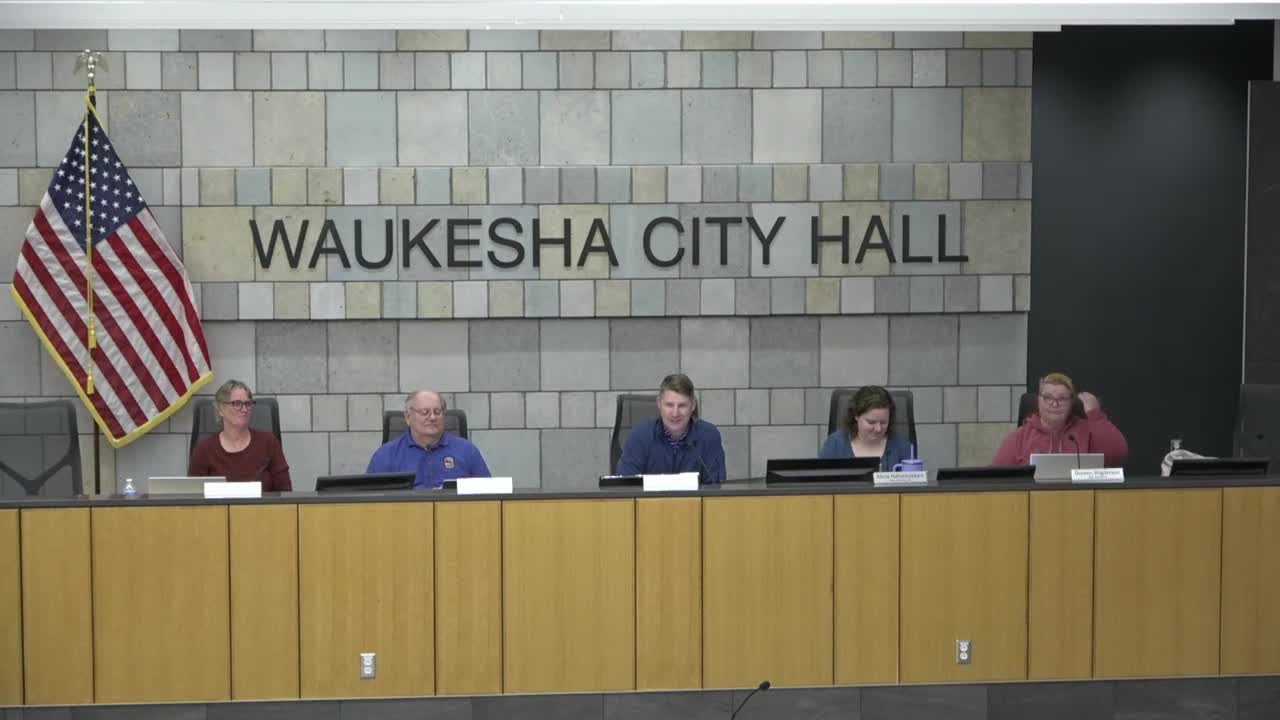
Summary
Fire Chief Rob Goplin told the finance committee EMS call volumes and transports are rising; the department secured federal grants for paramedic education and identified modest apparatus specification savings while planning policy and data improvements.
Fire Chief Rob Goplin and Assistant Chief Tim Fleming presented the fire department’s 2026 accomplishments and priorities, telling the Finance Committee that call volumes — and especially emergency medical services (EMS) transports — continue to climb.
Goplin said the department’s mobile integrated health (caseworker) position expanded in 2025, reporting more than 70 referrals as of August and about 14 open cases; the role connects people with services to reduce reliance on 911. He also described an apparatus‑specification review that found about $25,000 in savings on a recently contracted rig and said the department will continue to examine equipment specs to reduce costs and delivery times.
The department reported securing roughly $300,000 in federal grants in 2025 for paramedic education and community risk reduction; Goplin said the grants offset personnel education costs and support community risk‑reduction activities.
On finance lines, Goplin noted a 9.7% rise in professional‑services spending largely attributable to EMS billing fees that scale with ambulance revenue; the department bills patients and pays a percentage to its billing contractor, so rising EMS transports increase both revenue and billing costs. The department also cited utility and facility cost increases across its five stations. Goplin said they will continue policy and incident-response plan updates and make additional data‑collection improvements to better target resources and measure response-performance.
Ending: Committee members asked clarifying questions about staffing, paramedic licensure and overtime. Goplin said recent federal grant awards would offset some paramedic training costs; the department will continue to track overtime driven by long‑term duty injuries and other personnel constraints.