
Waukesha police outline recruitment gains, crisis response unit and ongoing overtime pressures
Get AI-powered insights, summaries, and transcripts
Subscribe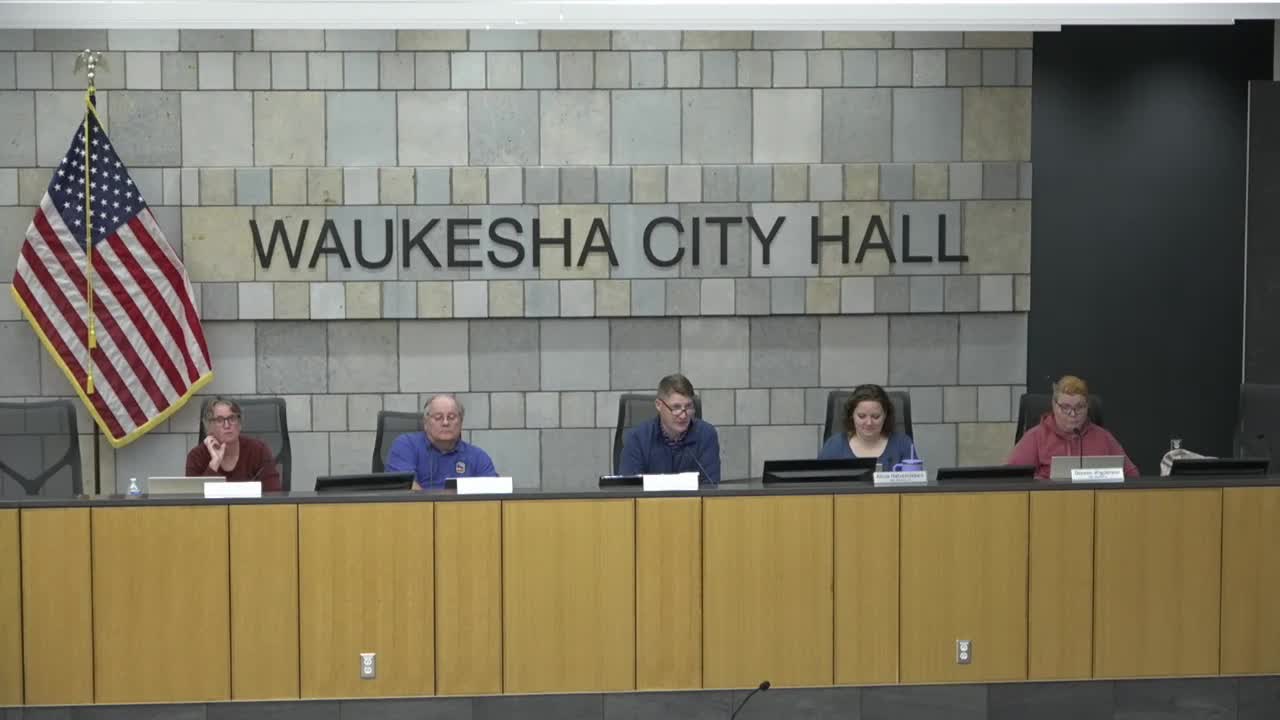
Summary
Assistant chiefs told the finance committee the department has largely recovered staffing shortages through targeted recruitment and laterals, highlighted benefits of the Crisis Response Unit (CRU), and said overtime remains elevated because of vacancies and unavoidable duty events.
Assistant Chiefs Tom Wagner and Ty Hoffman presented the police department’s 2026 goals to the Finance Committee on Oct. 14 and emphasized staffing, crisis response and traffic-safety priorities. Wagner said the department moved from a staffing shortfall as large as 13 vacant patrol positions earlier in the year to being two officers short and expects two named candidates in the recruit academy January 1, when those recruits will restore full authorized staffing.
Wagner described recruitment as more flexible and proactive than in prior years, citing targeted outreach, lateral transfers and an improved department facility as recruitment draws. He credited Captain Brad Becker and Lieutenant Chad Brigandy for stepping up recruitment and training efforts.
The department reported continued expansion and success of the Crisis Response Unit (CRU). Wagner said CRU work has helped reduce emergency detentions and increase voluntary treatment referrals; the department is aiming for additional percentage reductions in emergency detentions year over year. Multiple council members and staff praised CRU and asked the department to prepare a memo summarizing outcomes (saved staff hours, reduced transports and other metrics) so Council members can advocate for continued or supplemental funding with county partners.
On overtime, officials said the largest overtime driver is staffing shortages: at times when positions were unfilled, overtime rose to cover patrol and specialized needs (sickness, FMLA, special events, SWAT and other ordered callouts). The department also reported a significant recurring component for special-event overtime; staff estimated prior-year special-events overtime at about $50,000. The department said much of overtime is still filled voluntarily but there are times when personnel must be ordered in.
Dispatch changes and a new CAD/dispatch software system are in progress; staff said the project is currently in requirements and build phases and that operating costs will show up in future budget years once the system goes live. Committee members asked about coverage and the department reported three current dispatcher vacancies, which are affecting the dispatch overtime line.
Ending: The department presented personnel- and overtime-related data and asked the committee to consider total personnel costs (salaries plus overtime) holistically when evaluating budget lines; staff said they will provide a CRU overview memo for council members.