Nature-based wetlands restoration highlighted as efficient way to reduce nutrient loads
Loading...
Summary
The Nature Conservancy and other panelists described wetlands as a cost-effective, multi-benefit strategy to capture nutrients before they reach downstream waters; an early benefits estimate cited at the forum said each dollar invested in H2Ohio wetlands returns roughly $8 in benefits.
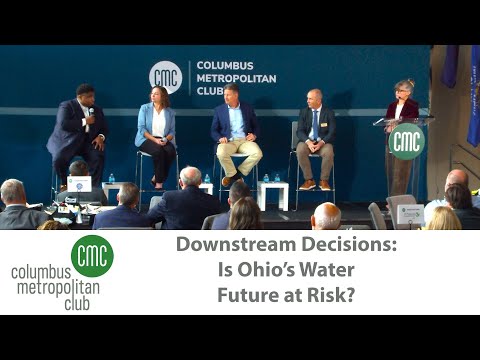
Panelists at a Columbus Metropolitan Club forum said restoring and protecting wetlands is an important complement to farm practices and sewer upgrades in reducing nutrient pollution.
"Think about wetlands like kidneys. They clean water," Bill Stanley, State Director of The Nature Conservancy in Ohio, said. Stanley said wetlands can capture nutrients from a range of sources — farm runoff, failing septic systems, and combined sewer overflows — and that restored wetlands add biodiversity and recreation benefits in addition to water-quality gains.
Stanley described early economic findings from a Nature Conservancy study of H2Ohio wetland investments: "For every $1 of investment from H2Ohio that's gone into wetlands, $8 is returned in terms of benefit to people in Ohio." The study was described as near completion at the time of the forum.
Panelists urged that wetland restoration be considered alongside precision agriculture and infrastructure investment because wetlands can treat nutrient loads regardless of their source, and because they provide co-benefits for wildlife and recreation.
Speakers said natural infrastructure should be part of a balanced portfolio of investments, and that continued funding is necessary to scale wetland restoration to a level that meaningfully reduces downstream harmful algal blooms.