Get Full Government Meeting Transcripts, Videos, & Alerts Forever!
Get email alerts on the School Athletics topic
No spam. Unsubscribe anytime.
Athletic director explains Thanksgiving Day schedule shift, citing athlete health and statewide calendar changes
Summary
The district’s athletics representative told the board that statewide scheduling shifts have reduced Thanksgiving Day games and lengthened the gap between the regular season and Thanksgiving contests, creating concerns for player health and recovery.
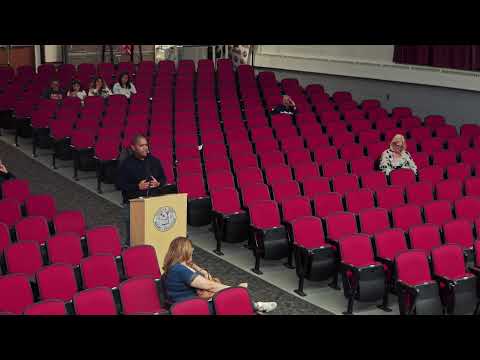
An athletics representative explained to the Board of Education why the district’s Thanksgiving Day football tradition has been affected by broader scheduling changes across New Jersey and defended the decision to move the game in order to protect student-athlete well-being.
What was presented: A guest identified as Mr. Kane described changes to high-school schedules in recent years that have moved football calendars earlier in the year and increased the gap between the end of the regular season and Thanksgiving contests. Kane said the result is longer layoff periods—approximately five weeks in the current year—between the last regular-season game and Thanksgiving, and argued that the extended break exacerbates injury risk and compromises athletes’ mental and physical recovery relative to other multisport peers.
Rationale and local effect: Kane told the board that Roselle—traditionally the district’s Thanksgiving opponent—no longer wants to play on Thanksgiving in many years, and that the state now has far fewer Thanksgiving Day games (he said roughly 15 remain in New Jersey). He also said keeping the rivalry alive remains a district priority: this year’s Roselle Park–Roselle contest will be played on Thanksgiving Day at Hiram Shaw Field with a 10 a.m. kickoff. Kane and board members framed the scheduling adjustments as attempts to balance tradition with student health, multi-sport athlete calendars and playoff “power-point” implications.
Why it matters: The move highlights tension between tradition and modernized athletic calendars; district leaders said they will continue to try to preserve rivalry traditions while accounting for athletes’ off-season recovery and overlapping spring tryout schedules for winter sports.
Ending: Board members thanked the athletic representative for the explanation and said they value both tradition and player safety.