Get Full Government Meeting Transcripts, Videos, & Alerts Forever!
Get email alerts on the Tribal Gaming topic
No spam. Unsubscribe anytime.
Northern Arapaho gaming history, court rulings and economic stakes raised to committee
Summary
A Northern Arapaho representative described the tribe's lengthy effort to negotiate a state compact, the courts' findings that Wyoming did not negotiate in good faith, and the tribe's reliance on Interior Department secretarial procedures for gaming regulation and revenue.
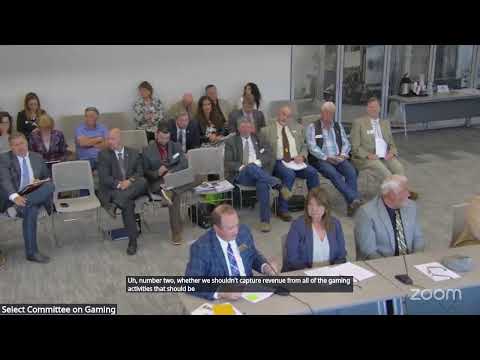
Travis McNevin, representing the Northern Arapaho Business Council, told the Select Committee on Gaming that the tribe pursued a compact with Wyoming in the early 2000s under the federal Indian Gaming Regulatory Act (IGRA) and that litigation followed because negotiations failed.
McNevin said a U.S. district court found the state failed to negotiate in good faith and that subsequent appeals also favored the tribe. He said that in September 2005 the Department of the Interior issued secretarial procedures enabling Northern Arapaho gaming to operate under federal IGRA authorities instead of a state compact. As a result, McNevin said, Northern Arapaho operations are regulated under federal procedures rather than a state‑negotiated compact.
McNevin told the committee the tribe has opened multiple casinos on reservation land and that the operations created jobs and economic activity; he said, however, the tribe has seen tribal program revenues decline as in‑state commercial gaming expanded. He urged the committee to treat the tribe as a partner and resource, noting tribes cannot levy the same property taxes as municipal governments and rely on tribal business revenue for services and infrastructure.
Committee members asked McNevin for fiscal impacts and he offered to provide numbers in follow‑up. The committee noted it would include tribal testimony and data as it considers broader policy and regulatory options affecting state and tribal gaming interests.