Get Full Government Meeting Transcripts, Videos, & Alerts Forever!
Get email alerts on the Land Use Public Health topic
No spam. Unsubscribe anytime.
Resident urges health review of proposed Wonder Lake slaughterhouse; health department outlines limited oversight
Summary
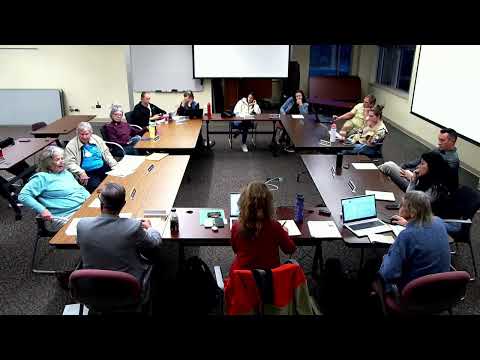
A Wonder Lake resident told the McHenry County Board of Health she fears a proposed slaughterhouse near her subdivision could pose wastewater and biohazard risks; county health staff said their authority is limited to water, sewage and special waste holding tanks and offered to monitor within that scope.
A resident of the Deerpath/Wonder Lake area told the McHenry County Board of Health on May 20 that a proposed slaughterhouse near Wonder Lake and Woods Creek subdivisions would be less than 1,000 feet from the nearest home and could create wastewater and biohazard risks to nearby private wells and septic systems.
The resident said Greenwood Elementary School is less than a mile from the proposed facility and said she was concerned about odors and the handling of animal carcasses. "Knowing my background in health and safety, animal carcasses is considered a biohazard, and there are no drainage," she said, adding she had contacted the county board and planned to attend a meeting with an attorney.
Public health staff told the board that the health department's jurisdiction is limited. Melissa H. Adamson, the public health administrator, and environmental health staff explained that the county's role would be to oversee potable water and sewage disposal requirements, and to review and annually monitor any special waste holding tanks required for processing waste from slaughter operations.
Adamson said private sewage systems are common in the area and that only domestic sewage may be discharged to such systems; processing waste from slaughtering must be managed separately in holding tanks the department oversees. She also said the county would monitor retail food-permit activity if meat were to be sold directly from the site and that the noncommunity public water-supply rule applies if a facility serves 25 or more people for at least 60 days a year — which she did not expect to apply to the proposal at its initial scale.
The board and staff discussed federal oversight of animal processing; Adamson said processing inspection and certain food-processor inspections are the responsibility of federal inspectors (USDA) and that the county's responsibilities remain focused on water, sewage and local retail-food permitting. She said the health department can respond to and test private well-water samples brought by residents if there is a specific contamination concern and that the department's laboratory can run bacteriological tests.
The resident asked whether reduced USDA inspections (a policy question raised in the meeting) would increase local risk; Adamson said those federal inspection decisions would not change the county's local authorities but acknowledged the broader public-health implications if federal oversight were reduced.
No formal action or vote was taken on the proposed facility during the meeting. Board members and staff signaled they would continue to receive inquiries and that affected residents may bring specific water or septic concerns to the department for testing and follow-up.
The discussion defined the limits of county authority while outlining monitoring and complaint-response steps available to neighbors.