
Elgin council calls Nov. 4 special election for proposed charter amendments after debate on term length and limits
Get AI-powered insights, summaries, and transcripts
Subscribe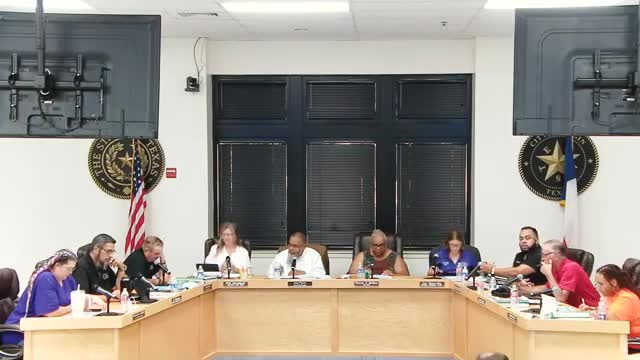
Summary
The council approved an ordinance calling a Nov. 4, 2025, special election to place proposed home‑rule charter amendments on the ballot; council members debated proposed changes to council term length (two vs. three vs. four years) and whether to include term limits, and ultimately approved the ordinance to send the measures to voters.
The Elgin City Council voted Aug. 5 to call a special election on Nov. 4, 2025, to place several proposed amendments to the city's home‑rule charter on the ballot, including proposals that would change council member term lengths and add a provision on consecutive term limits.
At issue were two items that the council asked staff to include for final consideration: whether to change council terms from the current two years to three (or four) years and whether to include a limit on consecutive terms. Council members debated both questions before voting to place the proposed amendments on the ballot for voters to decide.
Why it matters: Changes to the city charter would alter election timing, potential incumbency duration and how frequently voters would consider council races. Because charter amendments require voter approval, the council's action sends the measures to the ballot rather than enacting them directly.
Council discussion City staff explained that the council's prior direction was to present options for term lengths and a proposed term‑limit provision for council consideration. City staff clarified that any term limits included in the charter language would apply prospectively: the counting of consecutive terms would begin when a candidate is elected after an amendment’s adoption and would not be applied retroactively.
Council members voiced a range of positions. Several members supported three‑year terms, saying a longer single term gives newly elected members more time to learn and be effective. One member said, “I spent my first year on council on council way back when just learning the ropes and trying to figure out what was going on. And then the next 2 years, I thought I could be more productive,” as a justification for three‑year terms. Other council members preferred keeping two‑year terms or opposed term limits, saying voters have the ability to remove elected officials at the ballot box.
Term limits and ballot language Council debated language proposing four consecutive terms (12 years with four‑year terms, or a different total depending on term length) and considered an amendment to change that proposal to three consecutive terms. The council attempted to adopt an amendment reducing the proposed limit to three consecutive terms, but the amendment failed on roll call. A subsequent motion to remove the term‑limit proposition entirely also was debated; after additional votes and clarification, the council voted to approve the ordinance as written for placement on the ballot, meaning voters will decide whether to adopt the charter changes as presented.
Vote and outcome A motion to approve the ordinance calling the Nov. 4, 2025 special election (with the amendment agreed on earlier in the meeting) was made and seconded; the council approved the ordinance and the measures will appear on the ballot for voter consideration.
Next steps and public information City staff said the city will publish the full text of the propositions and the exact charter language associated with each ballot proposition so voters can review the proposed changes before the election. Staff and council members noted that the city can provide informational materials and that council members may discuss and explain the proposals to constituents, although public funds cannot be used for advocacy.
Reporting note: paraphrases and quotes in this article are taken from the Aug. 5 council meeting transcript. Direct quotes are attributed to council members and city staff who spoke during the recorded deliberation.