Get Full Government Meeting Transcripts, Videos, & Alerts Forever!
Get email alerts on the Housing topic
No spam. Unsubscribe anytime.
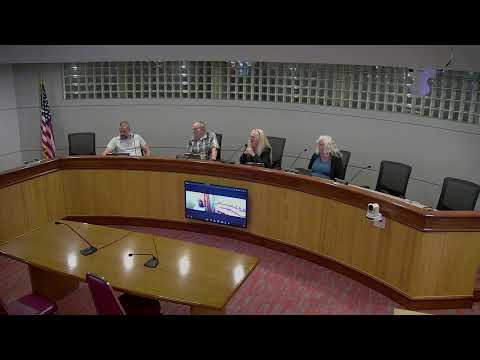
Seaside OKs six‑month extension for Restoration House conditional use; commission hears modular ‘micro‑studio’ alternative
Summary
The Seaside Planning Commission granted a six‑month extension of Restoration House’s conditional use permit to April 2026 so the applicant can finish site work and pursue funding and design for an alternative modular plan.
The Seaside Planning Commission granted a six‑month extension of Restoration House’s conditional use permit so the nonprofit can continue site work and pursue funding and design for an alternative modular housing approach. Staff said the extension would move the permit expiration to April 2026.
Restoration House representative Christian Zupontich told the commission the applicant filed for the extension in late August and that a city right‑of‑way vacation related to the property was completed recently, which affected site design timelines. Zupontich described an alternative plan developed with architect Stuart Emmons that would place ten modular “micro‑studio” units outside the existing building rather than adding them inside the structure.
“We had to vacate the right of way. That process happened through the city council. Just got completed,” Zupontich said, and later clarified: “It’s 10 additional units. So just as a refresher, 21 total residents.” He told commissioners the modular units would be small, self‑contained units (each with a private bathroom and kitchenette) that could be stacked five over five; the applicant views the design as an alternative that could accelerate construction and avoid relocating current residents during work.
Why it matters: The conditional use extension keeps the project active while the applicant seeks potential state funding from a recent legislative program and continues site work and design. Commissioners discussed whether the modular plan is a minor modification (staff director approval) or a major modification (requiring a commission hearing). Several commissioners said they would be comfortable letting planning staff and the director confirm whether the proposed change can be handled administratively, and the commission expressed general support for the modular option if it meets the previously approved occupancy, parking and lot coverage limits.
Key points from the discussion: - The existing conditional use increased occupancy from 14 to 21 residents (10 additional units); that total will remain the same under the proposed modular option. - The applicant filed the extension request on Aug. 26; staff told the commission the conditional‑use expiration would be extended to April 2026 if granted. - The commission and applicant noted that state funding decisions tied to a recent Oregon senate bill are expected in February–March of the following year; the applicant asked for the extension to avoid returning for another permit extension while awaiting grant results. - Commissioners focused on relocation logistics and services: the applicant said a central office and support services would remain available even if the units are detached from the primary building.
Outcome: The commission agreed to the six‑month extension; staff will process the approved extension and advise whether the modular site plan constitutes a minor modification eligible for administrative approval or requires a further commission hearing. If the applicant secures the state funding and proceeds, the project will return to final development and building permit review.