
Cannon Falls council approves annexation, adopts zoning change tied to proposed data center
Get AI-powered insights, summaries, and transcripts
Subscribe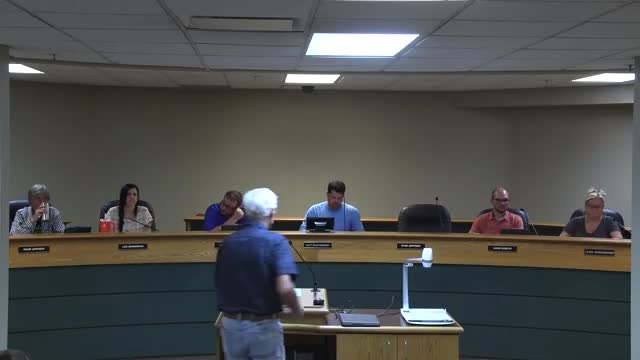
Summary
The Cannon Falls City Council approved an orderly annexation with Randolph Township and adopted a zoning text amendment that would allow data centers, with conditions on infrastructure, water use and developer payments. Public commenters expressed both support and concern; the council approved the annexation 6-0 and the zoning change 5-1.
The Cannon Falls City Council on Aug. 19 approved an orderly annexation with Randolph Township to allow potential development of a proposed data center and adopted a zoning text amendment intended to regulate such facilities.
The annexation resolution (Res. 2824) passed by a 6-0 roll call. The council adopted Ordinance 410, a second-reading amendment to city code chapter 152 related to zoning, on a 5-1 vote, with one councilmember recorded as opposed.
Supporters at the meeting said the project could broaden the city’s tax base after a decade with little commercial growth. “After this long drought in commercial development, we finally have a chance to secure a project that could provide some needed relief to an overstressed tax base,” resident Dallas Larson told the council.
Opponents warned the city may not capture promised local jobs and could lose regulatory control. “Most likely, that will be Meta, Amazon, Microsoft, or similar,” said Ryan Gokin, who identified himself as an IT engineer and nearby homeowner. He added, “The city would not have a say at what happens inside the data center walls.”
City staff described several conditions negotiated with Randolph Township and the prospective buyers that the council said are part of the annexation framework. According to city staff member John, the agreement requires planned infrastructure to reach the site in a staged timetable: if the project is approved, the city intends to bid and award the water and sewer extension contract within two years and to complete construction within two years after award. John said developers would pay contributions intended to offset the township’s lost tax base and that a buyer fee would be paid to the township by the developer.
The staff presentation also described limits on well use and environmental buffers. Staff said an existing well on one property would remain available only in defined emergency conditions and would require DNR approval for any amended appropriation; the current appropriation figure given in the meeting discussion was about 41,000,000 gallons per year. The annexation language increases a natural buffer to 200 feet between the development and adjacent properties and calls for tree plantings the staff calculated at roughly 207 trees.
Council debate focused on balancing potential tax revenue with long‑term control. Councilmember Diane Johnson said she worries that allowing data centers through a zoning amendment could make it difficult for future councils to refuse additional facilities: she urged caution about scaling and long-term consequences of permitting the use. Other councilmembers said they share environmental and job‑quality concerns but also fear losing the project — and its tax benefits — to nearby jurisdictions if Cannon Falls rejects the proposal.
Staff and the developer’s representatives were reported to be continuing negotiations. City staff said the developer would submit amended applications soon, and the city plans additional review, including a likely joint work session with the planning commission in September and further council consideration before final project approvals.
Votes and formal actions taken at the meeting included approval of the annexation resolution (Res. 2824, 6-0) and adoption of Ordinance 410 (zoning amendment, 5-1). The council also approved the consent agenda — which contained multiple administrative items and the added cable commission TriCaster replacement item — by roll call vote earlier in the meeting.
The council did not adopt final development agreements at the Aug. 19 meeting; staff emphasized that infrastructure work, DNR approvals for any water appropriation changes, and subsequent development agreements remain necessary steps before construction could proceed.