
City, MidPen continue talks for 295 S. Matilda affordable housing; neighbors press for narrower design and parking solutions
Get AI-powered insights, summaries, and transcripts
Subscribe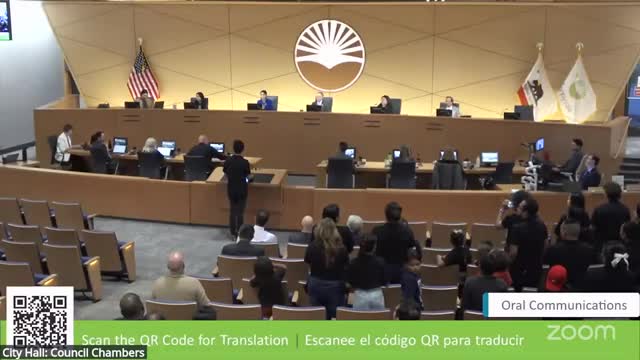
Summary
MidPen Housing and city staff briefed council on a proposed 122‑unit affordable development at 295 S. Matilda. The site is in Sunnyvale’s downtown specific plan; neighbors urged smaller scale, senior housing, or added parking and council asked staff to weigh funding, unit mix and encumbrances under the exclusive negotiation agreement.
The City of Sunnyvale and MidPen Housing Corporation returned to council Sept. 9 with an update on the proposed affordable housing project at 295 South Matilda Avenue. City staff and MidPen have been negotiating a development plan and an eventual disposition and development agreement for the downtown property after the city acquired the former bank site with housing mitigation funds.
City Community Development Director Trudy Ryan told council MidPen has filed a formal planning application and submitted a financing plan and community engagement plan. “The ENA will expire, in March 2026, unless we enter into a disposition and development agreement or DDA prior to that time,” Ryan said. Under the current schedule MidPen’s most recent proposal is for approximately 122 units, and staff noted the site is in the state‑defined “highest resource” area, which improves competitiveness for state affordable‑housing funds.
MidPen representatives described the current concept and the financing reality. The developer said the project is likely to rely heavily on state tax‑credit and related programs and that building additional below‑grade or above‑ground parking would add $5.5–$10 million to the construction budget — funding that would otherwise support additional affordable units. MidPen said the current concept proposes roughly 0.5 parking spaces per unit and that accommodating a significantly higher parking ratio would increase the city’s financial contribution and could reduce the unit count or increase per‑unit costs.
Neighbors packed the council chamber and raised concerns about height, density, and the proposed low parking ratio on Charles Street, which they said already suffers from regular parking shortages. Several residents asked the council to consider a narrower project profile, senior‑only housing or micro‑unit formats that they argued could reduce traffic and better fit the neighbor‑hood context. Others urged the city to continue the partnership and allow the project to move forward to provide desperately needed affordable family units.
Council members asked technical questions about unit mix and funding. Staff and MidPen said the state scoring system prioritizes family‑sized units (2‑ and 3‑bedrooms) and that “project feasibility” under state programs depends heavily on cost per unit; larger family units are required by funding rules in some competitive pools and are more likely to secure certain state sources. MidPen said many 2‑ and 3‑bedroom units are needed to make the application competitive. Council members asked MidPen whether alternatives — including more one‑bedroom or studio units, more senior‑targeted units, or different parking management strategies (transit passes, onsite bike storage, a “no vehicle” lottery preference) — could be modeled; MidPen said it would study those options but noted financing and state program priorities constrain design choices.
Staff noted the ENA includes an intent that 25% of units serve formerly unhoused households and that some units may be subject to county referral programs depending on funding. Staff also said the exclusive negotiation agreement allows limited city direction because the city is the property owner and is contributing land and predevelopment funds, but many funding sources impose terms the city cannot alter.
Public commenters pressed for neighborhood protections and a concrete plan to address parking; staff said the city has initiated a block‑by‑block parking permit study and that outreach and a formal survey to residents would begin promptly. Staff noted the first notices for a residential parking permit process had been sent and that staff would return with ordinance and program details if block residents indicated they wanted a permit zone.
Ending: Council took no final action and directed staff to continue negotiations, report back on legal and funding constraints, and provide modeling of alternate unit mixes and parking scenarios. The ENA remains in force until March 2026 unless a DDA is executed sooner.