Get Full Government Meeting Transcripts, Videos, & Alerts Forever!
Spokane County presents 24‑hour crisis relief and sobering center design; reviewers raise concerns about streetwall, windows and circulation
Summary
At a Sept. 24 design-review workshop, Spokane County and its design team presented plans for a new crisis relief and sobering center near the STA bus depot at Monroe and Boone. The board and staff urged revisions on façade articulation, window glazing, a tall concrete wall that creates a pedestrian “tunnel,” and drop‑off and accessibility details.
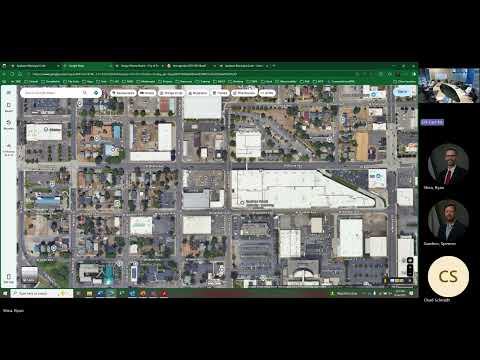
Spokane County and its design team presented the proposed Crisis Relief and Sobering Center to the City of Spokane Design Review Board at a workshop on Sept. 24, 2025, outlining a 24‑hour observation facility to be sited west of the Spokane Transit Authority bus depot at the Monroe and Boone intersection.
The project is a county‑owned, public facility intended to provide short‑term observation and stabilization services for people experiencing substance use crises. The county plans the facility as an extension of existing services on the same campus; Pioneer Health will operate the new observation center when it opens, the design team said.
Board members and city staff said the building’s program — a 23‑ to 24‑hour observation model under Department of Health licensing, with an average reported stay of roughly 10 hours — makes the project important to downtown service capacity and to reducing pressure on jails and emergency departments. At the workshop, reviewers focused on design‑code compliance and pedestrian experience: ground‑floor glazing requirements facing arterial Boone Street, roof expression standards, a tall concrete retaining wall along the sidewalk, and how vehicle drop‑off and ADA access will function.
City staff presented the regulatory context and staff recommendations. Ryan, a city planner who led the staff presentation, said that the site is zoned General Commercial (GC‑70) and that public‑project design guidelines apply. He summarized two particular code sections the board should note: (1) ground‑floor window requirements for facades facing arterials — code prefers 50 percent glazing between 2 and 10 feet but has a lower threshold of 30 percent — and (2) roof‑expression language that asks flat‑roof buildings to provide visual interest at the skyline, typically via pitched elements, parapets or projecting features.
The design team said…
Already have an account? Log in
Subscribe to keep reading
Unlock the rest of this article — and every article on Citizen Portal.
- Unlimited articles
- AI-powered breakdowns of topics, speakers, decisions, and budgets
- Instant alerts when your location has a new meeting
- Follow topics and more locations
- 1,000 AI Insights / month, plus AI Chat