
Council declines to adopt mobile‑home property‑tax exemption ordinance pending state tax law changes
Get AI-powered insights, summaries, and transcripts
Subscribe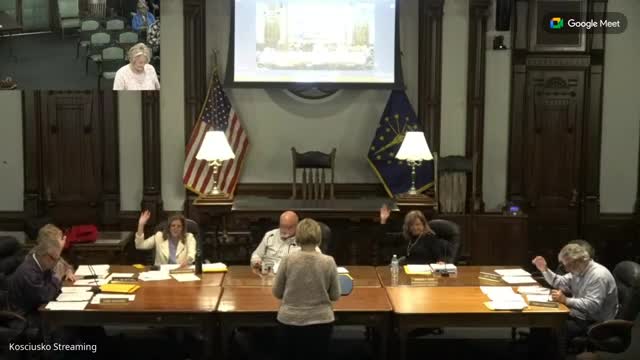
Summary
After discussion and solicited feedback from taxing units, Kosciusko County Council voted on Nov. 14 not to approve a local ordinance to change mobile‑home property taxation, citing anticipated state legislative changes and concerns about irreversibility and impacts on local budgets.
Kosciusko County Council on Nov. 14 considered whether to adopt an ordinance changing how mobile homes are assessed for property‑tax purposes and ultimately voted not to approve the ordinance at this time.
Background and discussion: County officials and department heads had previously presented information on a state option allowing counties discretion on mobile-home assessment. Council members said they had solicited comments from other taxing units and received several responses, and they discussed procedural and fiscal difficulties in changing assessment practice. Speakers cited the complexity of enforcement and collection, the option for existing collection mechanisms (including sale of mobile homes for unpaid taxes and intercepting state refunds), and concerns about the broader state property-tax changes expected in the next legislative session.
Decision: Council members said they were reluctant to move forward before the state’s pending tax-law changes are finalized; one member described the risk of acting prematurely and creating an irreversible local policy. The council voted to not approve the ordinance and to revisit the issue after the state legislature acts and clearer statewide rules are available.
Why it matters: Changing local treatment of mobile-home assessments can affect revenues to county and local taxing units and have administrative implications for collection and enforcement.
Next steps: Council members said they will monitor proposed state legislation and consider the issue again once the state’s direction is clear.