
Peoria begins biennial budget review; finance director flags pension, health-insurance and capital pressures
Get AI-powered insights, summaries, and transcripts
Subscribe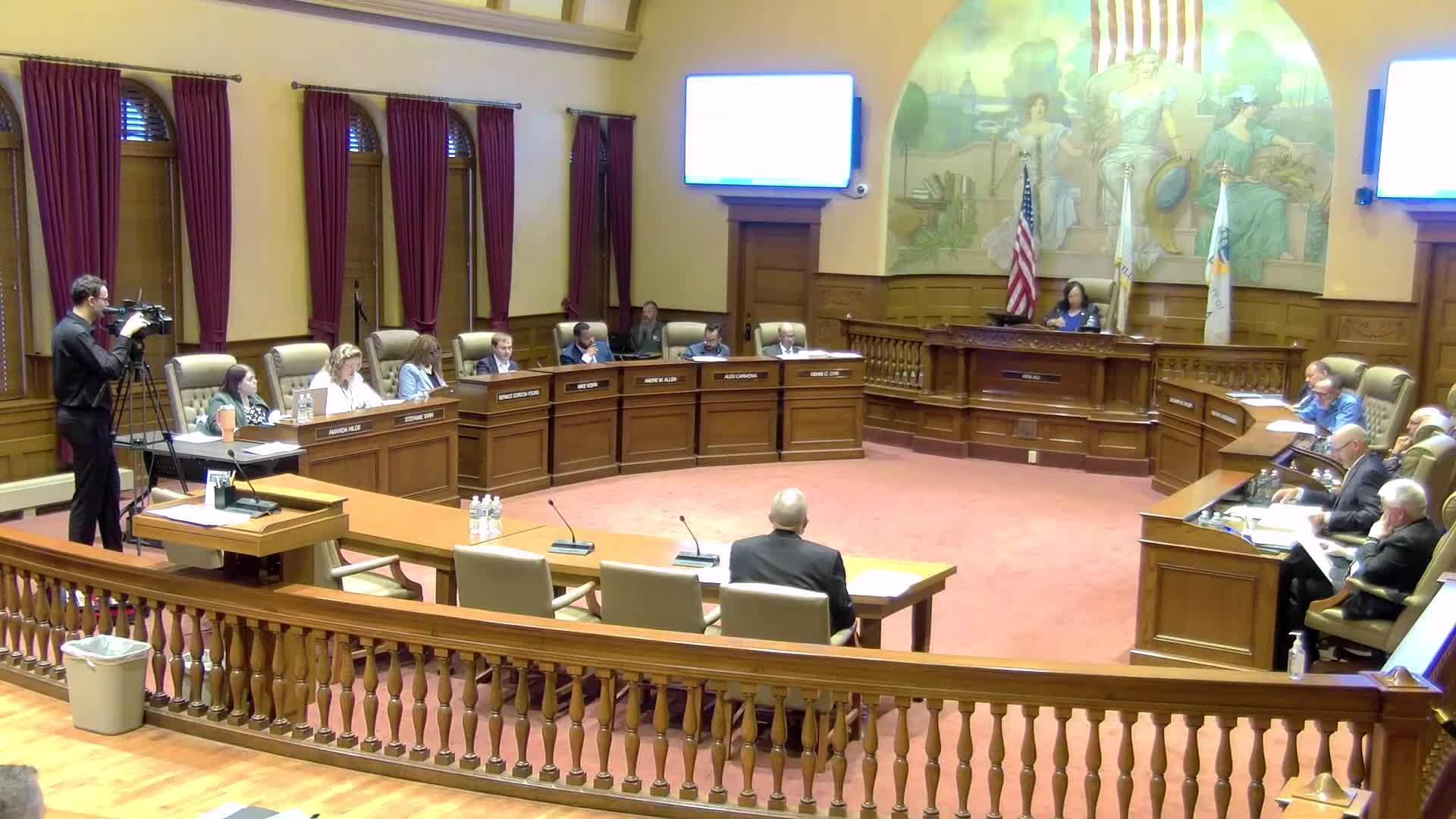
Summary
The council opened deliberations on the 2026–27 biennial budget. Finance Director Kyle Cratty presented revenue and expenditure projections, strategic-plan alignment, and key risks: rising pension obligations, higher health-insurance claims, reduced capital grant expectations and proposed CPI increases for stormwater fees.
The Peoria City Council opened formal review of the 2026–27 biennial budget at a special meeting on Sept. 30, with Finance Director Kyle Cratty presenting details of revenue forecasts, expenditure assumptions, capital priorities and organizational goals tied to the council’s strategic plan.
Cratty told the council that accepting the levy estimate earlier in the meeting was only a procedural step and that the council would finalize the budget in the coming weeks. He framed the budget around six strategic priorities adopted by council — quality of life, infrastructure, downtown development, community safety, business growth and prosperity, and equity and inclusion — and described one organizational goal for each priority that staff will pursue in 2026.
Key budget figures presented by Cratty included $298 million in total revenues for 2026 (down 1.4% year-over-year), operational expenditures of $216.6 million (up 7.7%, driven largely by benefits and pension costs), and capital spending of $48.9 million (down 36.7% from the prior period, though staff said reclassifications to contractual lines partially explain the reduction). Cratty said the city is self-insured for health coverage and is tracking a large increase in claims; he estimated an additional transfer of roughly $3.5 million to the health-care fund to cover a projected shortfall and stop-loss payments.
On pensions, Cratty said actuarial requests indicate rising obligations. Staff proposed contributing more than the actuarial minimum this year (a supplementary contribution the director characterized as a way to reduce long-term costs) and recommended waiting until December to transfer any discretionary additional contribution so that the city can confirm projected revenue performance.
Other highlights and proposals from the presentation: - Stormwater utility: staff recommended taking the CPI contractually authorized increase (about 2.9%) for 2026 to preserve the fund’s health; Cratty said missed CPI increases since 2021 amount to roughly $100–$115 in cumulative savings to the average homeowner over four years, but staff urged the CPI step-up to meet maintenance obligations. - Cannabis sales tax: the city can now disclose cannabis sales tax revenue and budgeted approximately $1 million for 2026 (staff said confidentiality thresholds required four operators before disclosure). - Capital program and debt: the proposed community investment plan totaled $48.9 million in 2026, with 62.7% allocated to roads, sewer, sidewalks and traffic; staff proposed issuing roughly $8.9 million in new debt (20-year bonds) mainly to fund facility and fleet work that does not have a dedicated enterprise revenue source. - Staffing: the budget asked for two net new positions (bringing total FTE to 708) and the reclassification of a stormwater manager to an enterprise operations deputy director split across sewer, stormwater and solid-waste funds; other requests included a training/quality-assurance supervisor for the emergency communications center and a stormwater-focused collections position in the treasurer’s office.
Council members asked detailed questions about how equalized assessed value (EAV) growth relates to inflation and individual tax bills, the civic center debt and cascading funds agreement, capital spending categorization, the possibility of increasing pavement-preservation and sidewalk budgets, and the mechanics of special service areas and SSA-backed borrowing. Assistant City Manager Kimberly Richardson said downtown activity is reflected in many departmental goals even if a single downtown metric did not show on a summary slide.
Mayor and council members broadly praised staff for tying budget requests to the strategic plan. Several council members urged caution about long-term pension and debt pressures; Council member Cyr argued for a conservative approach to additional pension contributions and urged caution on fee and rate increases in the near term. Cratty said the strong general-fund performance in 2025 had bought the city another year before hitting the council’s fund-balance threshold but emphasized a long-term structural gap between revenues and expenses if current trends continue.
The city will hold a public hearing on the budget on Oct. 7 (next Tuesday) and several follow-up budget deliberations on Oct. 14 and Oct. 21, with intent to finalize changes at the Oct. 28 meeting and adopt the budget and levy on Nov. 4. Staff asked council for direction on taking the stormwater CPI increase (the ordinance already authorizes annual CPI adjustments), and indicated they would return with requested follow-ups — including pavement preservation detail, clarifications on some accounting presentations and more precise estimates of collections potential.