
Waukegan wins grant to study ravines and shoreline habitat; public engagement planned
Get AI-powered insights, summaries, and transcripts
Subscribe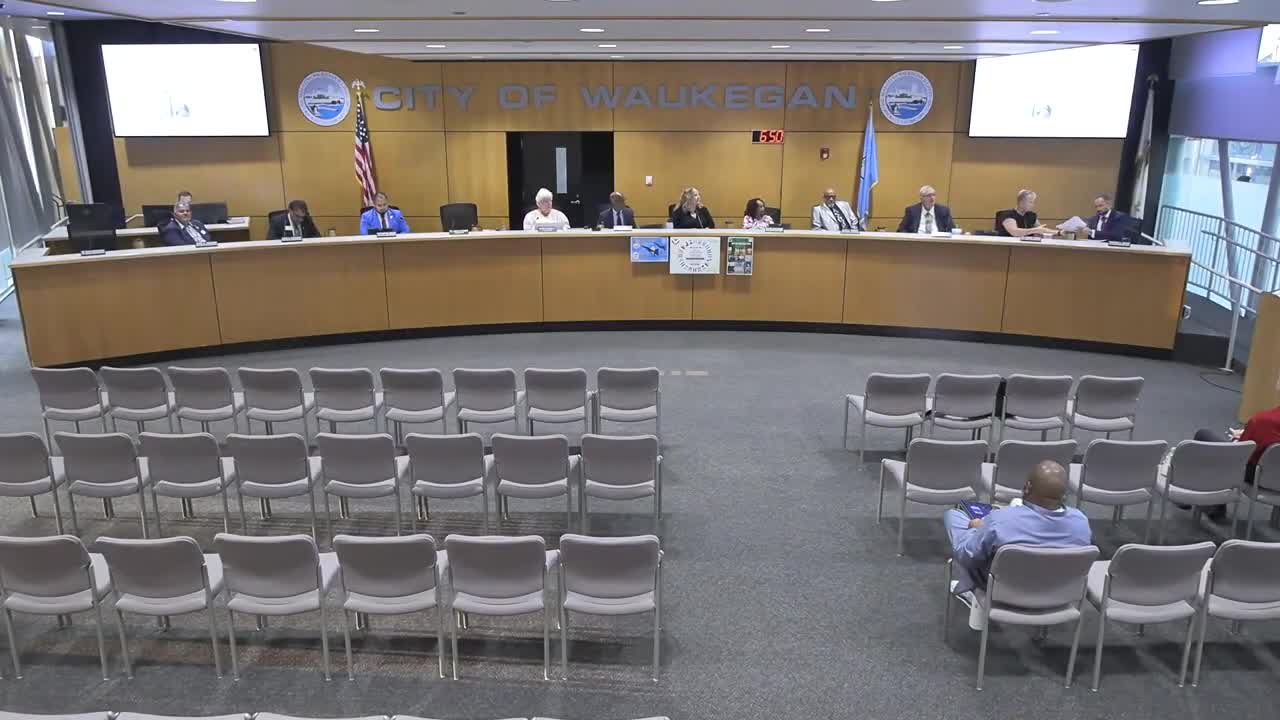
Summary
City planning staff presented a grant-funded study of the Waukegan River and ravine system funded through the National Fish and Wildlife Foundation and the Great Lakes and St. Lawrence Cities Initiative; consultant Stantec will begin field work and the city plans public engagement around a 60% design.
Waukegan — The Environmental and Sustainability Committee received a briefing Sept. 2 on a grant-supported effort to study the Waukegan River and ravine system and to advance erosion control, habitat protection and public-access improvements.
Rachel Canton, a planner in the city’s Planning and Zoning Department presenting on behalf of the project manager, said the city received funding through the National Fish and Wildlife Foundation via a partnership with the Great Lakes and St. Lawrence Cities Initiative. The project team includes the city’s stormwater management and park-district partners and consultant Stantec.
Canton said the grant will fund field data collection, erosion-assessment work and design steps that aim to address erosion, remove invasive species, protect wildlife and increase public access with trails and nature amenities where appropriate. Stantec will conduct near-term field work and the city plans public engagement when it reaches a 60% design milestone in the spring, Canton said. "This is kind of through our partnership with the Great Lakes Saint Lawrence Cities initiative, and this is a really amazing program that we've entered into to work on our Waukegan River And Ravine system," she said.
Committee members spoke positively about the prospect of cleaned and better-integrated ravine areas being more accessible to the public and coordinated with the park district. No formal action or vote was required; the presentation was informational.
The meeting also included public comments earlier calling for more frequent town halls, broader community cleanup in neighborhoods and separate concerns about coal-ash ponds and land-use code integration; committee business moved on after the two project updates and the meeting adjourned at 6:53 p.m.