Get Full Government Meeting Transcripts, Videos, & Alerts Forever!
Get email alerts on the Public Safety topic
No spam. Unsubscribe anytime.
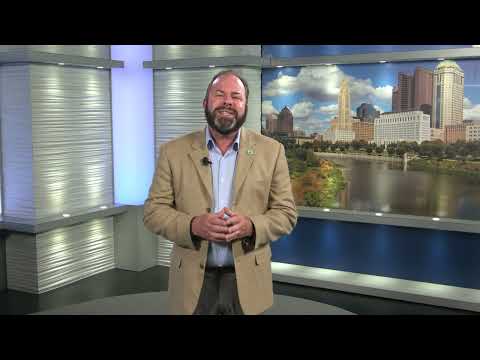
Unidentified speaker at Columbus meeting outlines four public-safety initiatives as city grows past 900,000
Summary
An unidentified speaker at a Columbus City Council meeting outlined four initiatives to address public-safety challenges tied to population growth, focusing on short-term rentals, large-event safety, liquor enforcement and a modernized online crime-reporting system. No ordinances or funding details were specified.
An unidentified speaker at a Columbus City Council meeting outlined four public-safety initiatives as the city grows past 900,000 residents.
"As Columbus grows past 900,000 residents and welcomes even more in the years ahead, we're facing new public safety challenges," the unidentified speaker said. "My initiatives focus on 4 key areas: strengthening rules for short term rentals to protect our neighborhoods, improving safety at large public events, taking a proactive approach to liquor enforcement, and modernizing our online crime reporting system so it's easy, mobile friendly, and accessible to all."
The speaker framed the initiatives as a response to growth-related pressures, citing large festivals, nightlife and short-term rentals as specific areas of concern. The proposed steps named in the remarks were: revising short-term rental regulations to better protect neighborhoods; enhancing safety planning and operations at large public events; increasing proactive liquor-enforcement activity; and modernizing the city's online crime-reporting system to be mobile friendly and accessible.
The remarks did not include proposed ordinance text, enforcement protocols, specific funding, timelines or ordinance numbers, and no formal motions or votes were recorded in the provided transcript segment. The speaker described the approach as "proactive solutions" intended to let "residents, visitors, and businesses…thrive in a city that's growing stronger and safer every day," but did not say which city office or department would lead work on the items or when staff would return with proposals.
Because the record supplied contains only the speaker's statement, additional details — including any draft regulations, budget impacts, or implementation deadlines — were not specified during the excerpted remarks. The city council or relevant departments would need to supply ordinance drafts, funding sources and operational plans for the initiatives to move from concept to policy.