Get Full Government Meeting Transcripts, Videos, & Alerts Forever!
Council hearing probes Hart Island capacity, burial practices and calls for study
Summary
A joint New York City Council hearing on Hart Island examined burial operations, capacity projections and two measures: a bill to study burial practices and a resolution to raise funeral assistance limits. Agency officials, advocates and family members urged more study, clearer records and expanded access for visitors.
A joint hearing of the New York City Council Committees on General Welfare, Parks and Recreation, and Health on Hart Island brought agency officials, advocates and family members together to examine burial operations, capacity projections and reforms including a proposed city study of burial practices and a request to raise funeral-assistance limits.
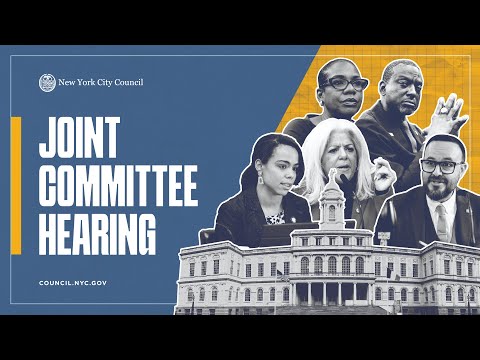
The hearing, led by Deputy Speaker Diana Ayala and co-chairs Council Members Lynn Schulman and Shekhar Krishnan, focused on the island’s role as the city’s public cemetery, agency responsibilities after a 2021 transfer of jurisdiction, and two legislative proposals: Int. 1408, a local bill to require a capacity and burial-practices study by the Human Resources Administration/Department of Social Services (HRA/DSS) and the Parks Department; and Resolution 775, which would raise the city’s funeral cost limit for burial assistance from $3,400 to $6,000.
Why it matters: Hart Island is the city’s largest public cemetery and has been used since the 19th century to bury people who were unclaimed or could not afford private burial. Council members and witnesses said questions about long-term capacity, ground stability, visitation access and record completeness affect thousands of families and require coordinated agency planning.
HRA testimony and operational details
Matthew Bruni, chief operating officer at the Department of Social Services, told the committees that HRA/DSS assumed caretaker responsibilities after the transfer of management in 2021 and now oversees interment and disinterment contracts, basic maintenance and an interagency process with the Office of Chief Medical Examiner (OCME) and Parks. Bruni said HRA/DSS welcomes Int. 1408 but urged a longer timeline than the bill’s 180-day requirement, adding that “180 days would not provide enough time to complete a thorough analysis” and asking for roughly 18 months to contract experts and publish a usable report.
Bruni provided operational figures: HRA/DSS’s Office of Burial Assistance received 2,348 applications in the most recent full fiscal year (FY25) and approved 818 (about 35 percent).…
Already have an account? Log in
Subscribe to keep reading
Unlock the rest of this article — and every article on Citizen Portal.
- Unlimited articles
- AI-powered breakdowns of topics, speakers, decisions, and budgets
- Instant alerts when your location has a new meeting
- Follow topics and more locations
- 1,000 AI Insights / month, plus AI Chat